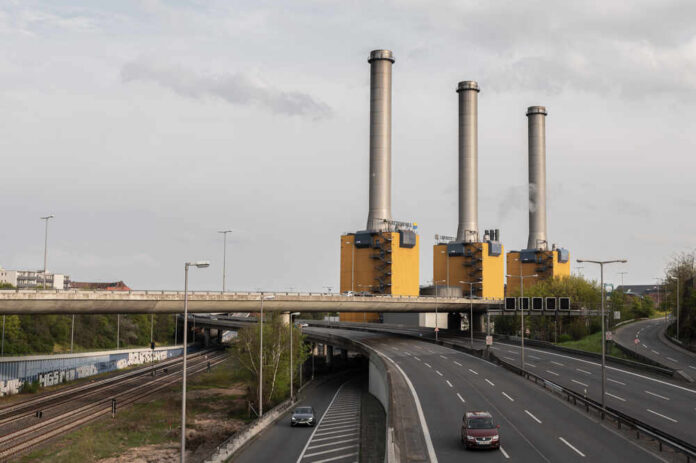
TVA’s plan to add up to 26 gigawatts of gas power is now a test of whether America’s biggest public utility will choose speed over long-term risk.
Quick Take
- TVA’s preliminary 2026 Integrated Resource Plan says it may need between 7 and 26 gigawatts of natural gas by 2040.[1]
- The utility says demand is rising faster than expected, driven mainly by data center growth.[1]
- TVA also says it needs new capacity in every scenario, not just the gas-heavy one.[1]
- Critics say the plan locks in fossil fuel spending while ignoring cleaner options and past gas plant problems.[7][8][10]
Why TVA Is Turning to Gas
The Tennessee Valley Authority says its footprint is seeing demand growth faster than its earlier forecast. In its draft plan, the utility says actual and expected power use is moving toward its “Higher Growth Economy” case because of data centers, including artificial intelligence and hyperscaler loads.[1] TVA says new capacity is needed in every scenario to cover growth or replace aging plants.[2]
TVA’s planning process matters because it affects about 10 million customers across the Tennessee Valley.[3] The utility’s long-term resource plan is meant to guide how it keeps electricity “low-cost, reliable, and resilient,” but the size of the gas proposal shows how hard that job has become.[3] When demand rises quickly, utilities often fall back on gas because it can run when the sun is not shining and the wind is not blowing.
Why the Proposal Is Drawing Pushback
Opponents argue TVA is leaning too hard on gas before fully testing cleaner paths. A prior TVA project drew criticism after the Environmental Protection Agency objected to its environmental review, saying it failed to account for Inflation Reduction Act incentives, underestimated emissions, and ignored national climate goals.[10] That dispute feeds a larger concern from critics: that TVA keeps choosing the fastest build option instead of the best long-term one.
TVA’s own history also gives skeptics more ammunition. Reporting on the utility’s gas expansion notes that TVA has proposed multiple gas plants since 2020 and that its gas fleet already plays a large role in peak output.[8] Environmental groups say that deeper reliance on gas can raise costs and lock in emissions for years. They also argue that TVA has not shown that it fully weighed solar and battery storage on equal footing in every case.[7][10]
What Happens Next
TVA says its preliminary plan is still open for public comment until July 22, with a public webinar set for July 2 and final recommendations expected at the August board meeting.[1] The utility also says it is considering other resources, including up to 5 gigawatts of nuclear power, 1 to 5 gigawatts of storage, and more efficiency and demand response.[1] That mix suggests TVA is not betting everything on gas, even if gas remains the biggest near-term piece.
TVA considers up to 26 GW of gas-fired generation | Utility Dive https://t.co/nLp0fGTUy0
— Bob Majors (@bmajorsjr) June 24, 2026
The bigger fight is not just about one utility. It is about who pays when the grid gets rebuilt under pressure, and which risks count most: fuel prices, reliability, emissions, or delay. TVA says gas offers firm power and flexibility.[1] Critics say the country keeps rewarding short-term fixes that benefit large institutions while leaving households with higher bills, more pollution, and fewer real choices. That tension now sits at the center of TVA’s plan.
Sources:
[1] Web – Tennessee Considers Up To 26 GW Of Gas-Fired Generation
[2] Web – TVA considers up to 26 GW of gas-fired generation | Utility Dive
[3] Web – TVA Charts Future Power Needs in 2026 Integrated Resource Plan
[7] Web – [PDF] Integrated Resource Plan, TVA’s Environmental & Energy …
[8] Web – US’s largest public utility ignores warnings in moving forward with …
[10] Web – TVA leadership’s ‘fossil fuel agenda’ questioned as utility advances …