When a powerful doctor walks into Congress with a presidential pardon in his back pocket, it raises a blunt question millions of Americans are asking: can he still be held to the law if he lies again?
Story Snapshot
- House Oversight Chair James Comer says President Biden’s pardon will not protect Dr. Anthony Fauci if he lies in new testimony to Congress.
- Federal law makes it a crime to give materially false statements or commit perjury in congressional hearings, carrying up to five years in prison.
- Republicans argue Fauci lied before about gain-of-function research, Wuhan funding, and contacts with intelligence agencies; legal experts say any new lies would be separate crimes.
- Commentary across the spectrum shows how pardons, hearings, and criminal referrals have become tools in a larger fight over trust in government and “deep state” power.
What Comer Is Warning Fauci About
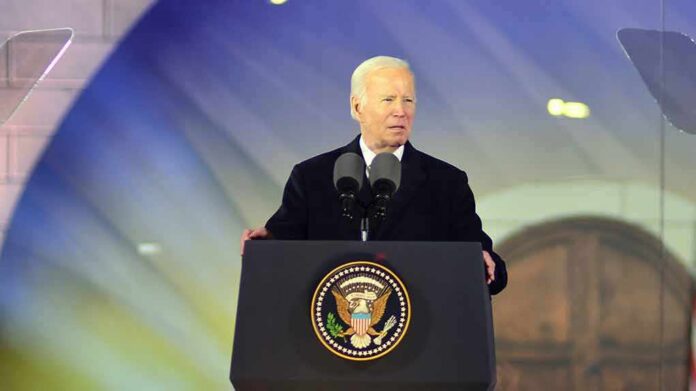
House Oversight Committee Chairman James Comer is telling Dr. Anthony Fauci that his presidential pardon has limits, especially when it comes to what he says in a new hearing. Comer’s message is simple and blunt: if Fauci lies again under oath, that would be a new crime, not covered by the pardon President Biden already gave him. This warning plays directly into public anger on both the right and left that powerful officials seem to get special treatment while ordinary citizens face strict rules.
Comer and other Republicans say they are still gathering evidence of what they call Fauci’s “criminal wrongdoing” during the pandemic. They point to whistleblower documents and intelligence records that they claim show Fauci misled Congress about gain-of-function research in Wuhan and his talks with agencies like the Federal Bureau of Investigation (FBI) and Central Intelligence Agency (CIA). For many Americans who already distrust Washington, this looks like one more example of insiders bending the rules while the country struggles with the fallout.
How Pardons and Perjury Really Work
Under federal law, it is a felony to lie to Congress or make a materially false statement during an official investigation. Statutes on perjury and false statements can bring up to five years in prison when someone knowingly says something untrue about an important issue while under oath. Legal commentators note that a presidential pardon typically wipes out legal risk for covered past acts, but it does not give a free pass for future crimes committed after the pardon is signed. That means every new hearing is its own legal event, with its own risks.
Reporting on Fauci’s situation stresses this difference between past and future conduct. Analysts say any false answer he gives in an upcoming hearing would be treated as a fresh offense, even if it touches on the same pandemic topics that his pardon addressed. Some legal writers explain that if Fauci repeats an earlier statement that later proves false, or lies when questioned about a prior lie, prosecutors could still charge that new testimony as a distinct crime. The catch is that the exact text of Biden’s pardon has not been publicly detailed in the sources, so the scope of protection for earlier actions remains somewhat unclear.
Republican Claims and Ongoing Investigations
Senator Rand Paul has twice referred Fauci to the Department of Justice (DOJ) for possible prosecution, arguing that he lied under oath about whether federal funding supported gain-of-function research in Wuhan. Paul points to emails and grant records that he says contradict Fauci’s sworn testimony and has publicly called this alleged falsehood a felony that deserves a court test even after the pardon. Representative Nancy Mace has likewise urged DOJ to indict Fauci before the five-year statute of limitations runs out on earlier testimony, underscoring how long this accountability fight has dragged on.
More recent document releases have added fuel to these claims. Newly revealed intelligence files suggest that Fauci had deeper involvement in shaping assessments on the origin of COVID-19 and that he denied under oath being briefed by intelligence agencies about viral research related to the pandemic. Separate reporting alleges Fauci ordered National Institutes of Health (NIH) staff to destroy records while publicly insisting he did not delete documents and did not use private email for official business. To many Americans, especially those who suffered economic and health blows during the pandemic, these stories feed a sense that elites can hide, shred, or spin evidence without facing the same consequences the rest of us would.
The Counter-Arguments and Unanswered Questions
Not all legal voices agree that Fauci’s past conduct clearly qualifies as perjury. Fact-checkers and some experts note that NIH leaders maintain the Wuhan-related research did not meet the technical definition of gain-of-function at the time, meaning his statements may line up with the agency’s view of the science. One detailed analysis points out that in a disputed 2024 exchange about intelligence briefings, Fauci later clarified his remarks, which they argue weakens a clean perjury claim. These counter-arguments show why no court has yet ruled that Fauci lied under oath, despite multiple referrals and headlines.
Dr Fauci > trash > puke > pus > flu > covid > chicken pox > shingles > TB> typhoid > dysentery > measles > Small pox > ebola > HIV >@SidneyPowell1 > @ValentinaForUSA > @lauraloomer > AIDS > @timburchett > James Comer > #PedoTrump > #Kegstand > @randpaul > you pic.twitter.com/6Mv2DtEour
— Wendimyb 🇺🇸🦅#AntiFascists #AntiNazi #AntiMAGA (@Wmb_Bravo) July 28, 2026
Legal commentary also stresses that the pardon and expired limitations period likely close the door on most federal charges tied strictly to pre-2025 testimony. However, that same commentary is clear that any new false statement in a fresh hearing would stand apart from earlier acts and could be prosecuted on its own. At the same time, state attorneys general say Biden’s pardon does not block state-level investigations, hinting that Fauci could still face legal pressure outside the federal system if evidence supports it. Together, these points highlight a confusing mix of law and politics that everyday citizens must sort through while trying to judge whether the system still treats everyone fairly.
What This Fight Says About Trust in Government
This struggle over Fauci’s legal risk shows how Congress, pardons, and criminal referrals have become weapons in a larger war over trust in government. For conservatives, the case reflects anger over pandemic rules, economic pain, and what they see as “deep state” protection for insiders. For many liberals, it fits a pattern in which powerful figures avoid serious consequences while ordinary workers fall further behind. Both sides see elites playing by their own rules while everyday Americans pay the price.
When a high-profile figure like Fauci receives a sweeping pardon and then returns for more sworn testimony, it pushes core questions to the surface. Do laws against lying to Congress really apply to everyone, or only when the politics line up? Can a justice system run by people who often seem focused on reelection and self-preservation deliver honest accountability for pandemic decisions that changed millions of lives? The coming hearings will not answer every question. But they will show whether, at least this time, truth under oath still matters inside a government many citizens feel has forgotten them.
Sources:
facebook.com, cpac.org, foxnews.com, mace.house.gov, cf.org, heritage.org, maloneinstitute.org, yourtruthmaynotbemine.com, washingtontimes.com, nypost.com, youtube.com, thehill.com