

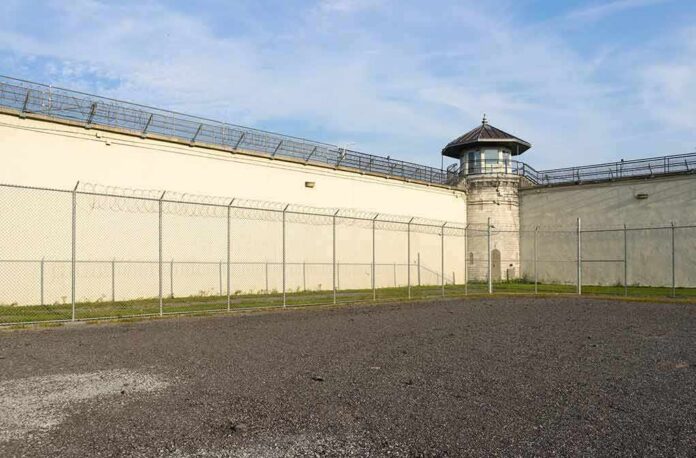
New York City’s new Rikers plan pushes a court-ordered closing five more years into the future, trading urgency for a high-stakes bet on smaller jails and fewer people behind bars.
Story Snapshot
- The city targets Dec. 31, 2032 to shut Rikers, five years after the legal deadline.
- Four borough jails would replace the island complex, opening in phases from 2029 to 2032.
- The plan hinges on cutting the jail population to about 4,100 through faster cases and alternatives.
- Critics warn delays, costs, and safety risks could derail the effort before benefits appear.
What City Hall Announced And When It Would Happen
Mayor Zohran Mamdani unveiled a timeline to close the Rikers Island jail complex by December 31, 2032. The plan would move people held there into four new borough jails located in Brooklyn, the Bronx, Queens, and Manhattan. City Hall says the Brooklyn site would open first in 2029. The Bronx and Queens sites would follow in 2031. Manhattan would open in 2032. The staged moves would end with a full shutdown of Rikers at the close of 2032, if milestones are met.
The new jails would sit closer to courts and public transit than Rikers. Officials argue this helps court appearances, family visits, legal access, and services. The administration links the closures to a shift in how the city uses jail. It pairs construction with investment in supervised release, diversion, reentry help, and more court staff. The stated goal is to move cases faster and reduce reoffending. That approach aims to change outcomes, not just buildings.
The Legal Clock And Why A Delay Matters
New York City faces a legal mandate to close Rikers years earlier than 2032. The announced schedule seeks to extend the deadline by about five years. That means lawmakers and possibly courts need to sign off. Until then, the same troubled complex stays in use longer. Rikers has been under federal oversight through a consent decree and outside monitoring. A judge elevated outside control after continued safety failures, deepening pressure to show real progress.
The city argues the slower path makes the transition safer and more durable. But a longer runway cuts against public patience. It also invites doubts about follow-through. Missed construction targets, budget strain, or staffing gaps could force more extensions. Each slip would keep people inside a complex that federal monitors have blasted for violence, delayed care, and poor conditions. That risk hangs over the plan, even as leaders promise better results in the end.
The Population Math Driving The Entire Plan
The plan depends on shrinking the city’s jail population. Officials say the number stands around the mid-six-thousands today. They want it down to no more than 5,500 when Brooklyn opens, and no more than 4,100 by the end of 2032. The promise is to reach those levels by speeding cases, using supervised release, and steering people to treatment and housing when safe to do so. Supporters say this lowers repeat crime over time, not just headcount.
Critics counter that the replacement jails will have fewer beds than today’s demand. They warn the city may free people they view as risky to hit targets. Some opponents frame the reduction as releasing about 2,500 people, a claim that oversimplifies how case processing and pretrial decisions work. Former Mayor Eric Adams has called the borough-jail plan flawed. Skeptics also cite rising capital costs and fear that opposition in neighborhoods could slow or block sites.
Why This Fight Resonates Beyond New York
Rikers has become a national symbol of a system that many feel fails both safety and dignity. New Yorkers on the left and right share a core gripe: government promises big fixes, then misses deadlines and burns money. Supporters of closure say smaller, local jails and stronger services can reduce harm and repeat crime. Opponents worry the bed squeeze will put violent offenders back on the street. Both sides distrust City Hall to deliver on time and on budget.
On Friday, Mayor Zohran Mamdani unveiled a plan to close Rikers Island by the end of 2032, outlining $290 million in investments aimed at reducing New York City's jail population by nearly 40%.
City officials acknowledged they will miss the legally mandated August 31, 2027,…— jonny (@TheeOutpost) November 20, 2026
Here is the bottom line for readers weary of elite excuses. The plan sets clear dates and a path. It also asks the public to wait five more years and to trust leaders who missed earlier marks. The safest test is proof. Track whether construction hits 2029, 2031, and 2032. Watch court times, supervised release compliance, and reoffending rates. Demand regular public scorecards. If the numbers move the right way, the promise is real. If they stall, the delay only deepens failure.
Sources:
abc7chicago.com, nymag.com, newarab.com, uk.news.yahoo.com, gothamist.com, keloland.com, thecity.nyc