
Forecasts warn that rain, wind, and mountain snow could snarl Thanksgiving travel on both coasts, including major airport hubs many families rely on.
Story Snapshot
- East Coast rain and gusty winds could slow flights and highway traffic from the Southeast to New England.
- Separate Western storms may bring mountain snow and coastal rain, adding delays on key routes.
- Major airports including Atlanta, Seattle, San Francisco, Los Angeles, and San Diego face delay risks.
- No single nationwide storm is expected, but overlapping systems raise disruption odds region by region.
What forecasters say will happen and where
The Weather Channel said rain and strong winds would move up the East Coast and could cause flight delays at big Northeast airports. CNN reported the same hazards for drivers and flyers from Jacksonville to New York along the Interstate 95 corridor. That includes busy routes for millions of holiday travelers. The storm risk stretches over several days, so windows of heavier rain and wind matter for timing flights and long drives.
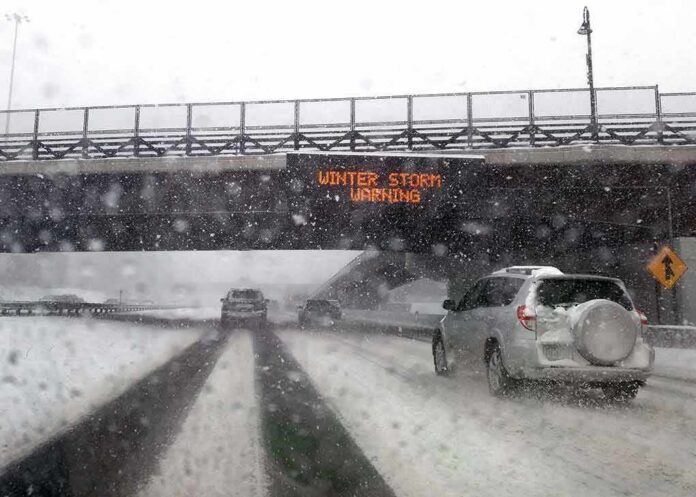
Forecasts also flag the West. AccuWeather pointed to rain and mountain snow in the Pacific Northwest and parts of California. Those conditions often slow passes and can trigger chain controls. Wet and windy periods along the coast could delay flights and slow traffic near major cities. The setup means both coasts may see issues, even though each region faces its own storm tracks and timing this week.
Airports and routes most exposed to delays
Newsweek highlighted risk at Seattle-Tacoma, San Francisco, Los Angeles, and San Diego, where rain, low clouds, or wind can back up departures and arrivals. Another outlook named Atlanta as a special concern because it is a central hub where delays ripple nationwide. When a hub slows, missed connections spread trouble far beyond the local weather. Flyers passing through these airports should plan for extra time and flexible rebooking.
Road travel faces its own hotspots. CNN and other forecasts point to the Interstate 95 corridor from the Southeast into the Northeast as the main East Coast problem area. Heavy rain, ponding on roads, and gusty winds can reduce visibility and increase crashes. Farther west, mountain routes may see snow. Drivers on passes in the Pacific Northwest and the Sierra Nevada should check for traction rules, closures, and sudden slowdowns.
How big is the threat and what we do not yet know
AccuWeather said no single coast-to-coast storm is expected to cripple the whole country through Thanksgiving Day. Instead, overlapping systems will create regional problems that come and go. That means some areas will travel with few issues while others face rough hours. Forecast confidence drops the farther out you go, so later-week intensity and exact timing can shift by a day or two.
Some reports tied the pattern to warm Pacific waters and an active storm track, which can feed frequent systems. That backdrop lines up with a busier coastal storm window and higher odds of rain and mountain snow. But even in a busy pattern, local impacts depend on when the worst bands pass over airports, highways, and mountain passes during peak travel periods.
Why holiday travel breaks even on a “normal” weather day
Federal flight data from last year show the baseline risk many forget. Axios reported that nearly one in four flights ran late in November and December 2025. On the Sunday after Thanksgiving, almost half of flights arrived late. Weather caused only a small share of total delay time. Congestion, aircraft rotations, and air traffic limits did much of the damage. Add rain, wind, or snow, and a strained system can tip into wider delays fast.
Thanksgiving travel is about to get ugly across 20+ states this week.
Two separate coastal storm systems are lining up to slam both the West and East Coasts right as millions hit the roads and airports 👇 pic.twitter.com/kSxItKknJV
— Trash Panda 🦝 (@David_shimya) November 21, 2026
That context helps explain why a forecast of moderate rain can cascade into missed connections and long tarmac waits. When Atlanta, New York, or San Francisco stack up delays, crews and planes are out of place for the next leg. Travelers then feel the impact even in cities with clear skies. This week’s forecast suggests several chances for that kind of chain reaction, especially if East Coast winds and West Coast ceilings hit during rush periods.
What travelers can do right now
Travelers can lower risk with simple steps. Book morning flights when possible. Track airline apps for waivers and free changes. Build in longer layovers through hubs like Atlanta. If driving the East Coast, leave before the heaviest rain bands and keep speeds down. If crossing western mountains, carry chains, warm gear, and a charged phone. Small choices can prevent bigger headaches when weather and crowded networks collide.
Sources:
zerohedge.com, theweather.com, edition.cnn.com, accuweather.com, newsweek.com, weather.com