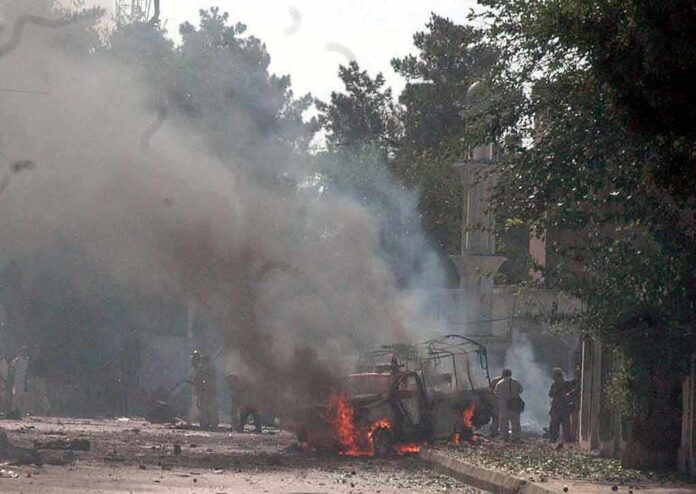
Gunmen fired on an ambulance moments after a suicide bomber rammed an explosives-loaded vehicle into a police checkpoint in Pakistan, turning rescue into a second attack.
Story Snapshot
- A suicide car bomb hit a police checkpoint in Dera Ismail Khan, killing at least 12 and injuring about 35.
- Gunmen then shot at an ambulance responding to the scene, compounding the toll on first responders.
- Police identified the site as a joint police and customs post near Aman Mela in Khyber Pakhtunkhwa.
- Media reports say the Pakistani Taliban claimed responsibility as the region faces rising militant attacks.
What Happened at the Checkpoint
Police and rescue officials said a suicide bomber drove an explosives-loaded vehicle into a roadside police checkpoint in Dera Ismail Khan on Saturday. The blast killed at least 12 people and injured about 35 more, according to initial counts. The checkpoint sits near Aman Mela in Khyber Pakhtunkhwa province, where police and customs officers share duties. The explosion damaged nearby structures and vehicles. Officials moved the injured to local hospitals as security forces sealed the area.
Local outlets and officials described a chaotic scene after the blast. Windows shattered, debris scattered across the road, and bystanders helped pull the wounded to safety. Police said the attack methods pointed to a planned vehicle-borne bomb. Early casualty updates varied among outlets, which is common in the first hours after such attacks. Authorities warned that the death toll could shift as critically injured patients receive treatment and as responders clear the site.
Follow-Up Gunfire on First Responders
Officials said gunmen opened fire on an ambulance that arrived to evacuate victims from the checkpoint. The shooting forced medics and police to take cover and slowed the rescue. Reports from the area said at least two rescuers were later confirmed dead in related violence, underscoring the risk to those providing aid. Attacks that pair a large explosion with follow-up gunfire have appeared in previous incidents in the region, aiming to raise fear and strain emergency systems.
Journalists tracking the incident said the Pakistani Taliban, known as Tehrik-e-Taliban Pakistan, issued a responsibility claim. That group has increased strikes on police and checkpoints across Khyber Pakhtunkhwa this year. The claim matches a pattern of low-cost, high-impact operations that seek to test defenses and gain attention. Police said they launched a search in nearby areas and boosted security at other posts to guard against copycat attempts.
Why This Fits a Wider Trend
Regional reporting shows militants have targeted checkpoints, police compounds, and convoys with suicide or vehicle bombs in recent months. Analysts point to a shift toward roadside targets that are hard to defend at all times. These attacks focus on uniformed services and the roads they guard. The aim is to make the state look weak, disrupt trade routes, and draw wide media coverage. The Dera Ismail Khan blast fits that playbook and follows other deadly strikes this year.
A suicide bombing at a security checkpoint in Pakistan killed at least 12 people and wounded dozens more in a devastating attack on law enforcement personnel. Emergency responders transported injured victims to hospitals as rescue teams worked to locate survivors in the rubble of… pic.twitter.com/6BmHEKunM1
— Ocean News (@OceanNewsUK) September 27, 2026
Early numbers from major outlets placed the dead between 11 and 12, and injuries around 30 to 35. That small spread is normal when police, hospitals, and rescue teams update counts at different speeds. What is clear is the method and location: a vehicle bomb at a joint checkpoint on a key road, with gunfire that hit rescue work. Officials said more details will follow after they complete forensics and interview witnesses from the scene.
Why Americans Should Care
Attacks like this ripple beyond one district. Militant strikes on police and trade routes can raise shipping and energy costs across the region. That can feed global price shocks that American families feel at the pump and in stores. They also pull security focus from border control to internal crises, which can drive more migration pressure. When fragile states struggle to protect roads and aid workers, chaos grows and bad actors gain room to plan more violence.
What to Watch Next
Watch for clarity on the final toll and the exact weapons used. Look for whether authorities arrest planners or cut off the supply lines that moved the vehicle and explosives. Track any new rules at checkpoints that may change traffic and trade. Note if militants repeat the blast-then-ambush pattern against medics, which would force costly security upgrades for ambulances and hospitals in the province and beyond.
Sources:
youtube.com, aljazeera.com, republicworld.com, livemint.com, theweek.in