Israel’s leader used the world stage to brand genocide claims a “lie,” even as the top United Nations court ordered steps to prevent genocide in Gaza.
Story Snapshot
- Prime Minister Benjamin Netanyahu rejected Gaza genocide claims at the United Nations and said Israel “prevented genocide.”
- The International Court of Justice ordered Israel in January 2024 to prevent acts under the Genocide Convention and enable aid.
- A United Nations special committee said Israel’s methods of war align with traits of genocide, raising global pressure.
- The legal fight remains unresolved; the court’s order was provisional, not a final judgment on intent.
What Netanyahu Said At The United Nations
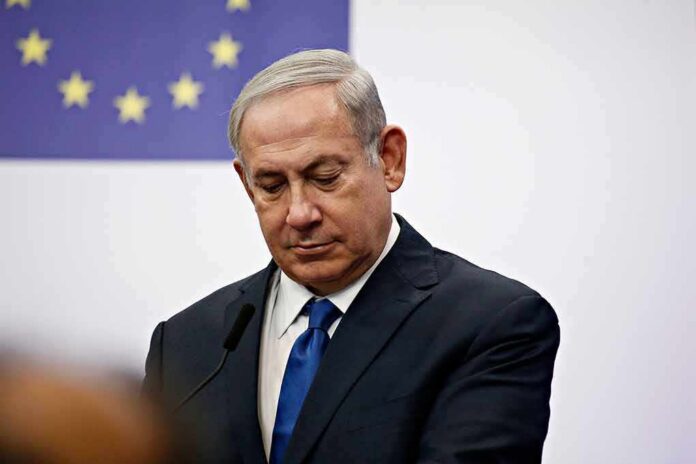
Prime Minister Benjamin Netanyahu told world leaders that Israel did not commit genocide in Gaza. He called the charge “the biggest lie of the century” and said Israel “prevented genocide.” He tied Israel’s war to the October 7, 2023 Hamas-led attack and said the military warned civilians, dropped leaflets, and sent texts to limit harm. He argued aid and vaccinations also proved intent to spare lives. These claims set his line against critics.
Netanyahu also linked his defense to American politics by blasting New York politician Zohran Mamdani. He said Mamdani’s “Hamas buddies” would have done worse if Israel had not acted. That swipe blended a foreign war with a U.S. city race and signaled how global conflicts now spill into local fights. Supporters saw strength. Opponents saw a smear. Either way, the speech sharpened a high-stakes message to voters and allies.
What The World Court Actually Ordered
The International Court of Justice issued emergency steps in January 2024 in the South Africa v. Israel case. The court said Palestinians in Gaza have plausible rights under the Genocide Convention and ordered Israel to prevent acts like killing, causing serious harm, or creating destructive living conditions. The court also ordered Israel to allow basic services and humanitarian aid, and to prevent and punish public incitement to genocide. These steps aimed to reduce urgent risk.
The court’s move was provisional, not a final ruling that genocide occurred. Provisional measures seek to protect rights while a case continues. The court stressed urgency and irreparable harm, not a full finding on intent, which is the hardest legal element. That leaves a key gap: the world must still wait for a merits decision. The legal track runs slow, even as the war’s human cost mounts and tempers flare in politics and media.
United Nations Reviews And Mounting Pressure
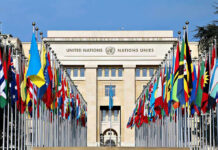
A United Nations special committee said in November 2024 that Israel’s methods of war align with the characteristics of genocide. That line signaled how parts of the UN system view the conduct of the war. A separate United Nations Commission of Inquiry kept a public record on the occupied Palestinian territory and Israel. These bodies do not issue criminal verdicts but shape the debate and add to pressure for accountability and access for aid.
Human rights groups and some legal experts cite the court’s order and UN reviews to argue for tighter limits on strikes and sieges. Israeli officials answer that Hamas embeds in civilian sites and uses people as shields, making clean lines impossible. This clash of facts and law now unfolds in court filings, satellite images, and casualty data. The public sees headlines, but the key evidence on intent may sit in sealed records or future testimony.
Why This Matters For Americans Across The Aisle
Americans on the right worry about global bodies overruling national defense. Americans on the left worry about civilian harm and double standards. Both sides feel elites talk past them while wars drag on and costs rise. This case shows the gap between legal process and real-time policy. Leaders speak in absolutes, yet courts speak in cautions. Voters see mixed signals and fear spin. Clear records and open data would help rebuild trust beyond slogans.
What To Watch Next
Watch for new filings at the International Court of Justice, including data on aid access, evacuation corridors, and civilian protection steps. Track whether Israel disciplines officials for public incitement or adjusts military rules to meet court orders. Look for detailed reports from the Commission of Inquiry and independent studies on food, water, and health in Gaza. Each item tightens or loosens the legal case and may shape U.S. debate in an election-heavy media cycle.
Sources:
icj.org, un.org, time.com, uniindia.com, washingtonpost.com