
Donald Trump’s full-throated endorsement of Mike Lindell for Minnesota governor ties the state’s future to a businessman at the center of America’s election and defamation battles.
Story Snapshot
- President Trump gave his “complete and total endorsement” to Mike Lindell in Minnesota’s 2026 governor race.
- Lindell is leading the Republican primary field and says Trump’s backing is boosting his support.
- Lindell’s campaign comes as he fights major defamation cases over his election fraud claims.
- The race shows how legal battles, media distrust, and anger at “elites” now shape who runs states.
Trump’s Endorsement Locks In a Loyalty-Test Governor Race
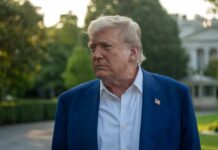
President Donald Trump formally endorsed MyPillow founder Mike Lindell for Minnesota governor, calling him “one of America’s greatest and most hardworking patriots” and giving his “complete and total endorsement.” Trump said Lindell “will MAKE MINNESOTA GREAT AGAIN” and praised him for “sacrificing” in the fight for what he calls election integrity. This endorsement fits Trump’s pattern of rewarding loyalists who echo his claims about the 2020 election, even when those claims have been ruled false in court.
Trump’s backing instantly turned the Minnesota governor’s race into a national test of his influence. Lindell, long known from late-night pillow ads, is now presented by Trump as the man who “deserves to be governor of Minnesota.” For many conservatives, this looks like a victory for an outsider businessman over career politicians. For many liberals and independents, it feels like Washington again trying to pick their governor for them, feeding a wider belief that powerful figures treat states as pieces on a national chessboard.
Lindell’s Pitch: Problem-Fixer Businessman With a Turbulent Past
Mike Lindell casts himself as a hands-on problem solver who overcame addiction and built a large Minnesota-based business before jumping into politics. He tells voters he is running because he “fixes problems” and wants to apply that approach to crime, schools, and government waste in St. Paul. Polling shared by his campaign and local stations shows him leading the Republican field, with internal numbers claiming support in the low 40s, which he ties directly to Trump’s endorsement.
Many frustrated voters on both the right and the left may find parts of Lindell’s story familiar. He says big-box stores punished him because he spoke out about what he believes happened in the 2020 election, and that he poured millions of his own money into that fight. People who feel censored or ignored by national media see that as proof the system hits anyone who steps out of line. Others view the same facts as proof a wealthy businessman used conspiracy claims for attention, then blamed “elites” when there were consequences.
Defamation Lawsuits Put Election Claims at the Center of the Campaign
Lindell’s run for governor cannot be separated from his long battle over election fraud claims. Voting machine companies sued him for saying, without evidence, that their systems stole the 2020 election from Trump. One Colorado jury ordered him to pay about $2.3 million to a former Dominion Voting Systems employee he called a “traitor,” finding his accusations were defamatory. Another company, Smartmatic, is still seeking what it describes as “nine-figure” damages from Lindell and MyPillow for similar statements.
These cases sit inside a growing wave of political defamation lawsuits, where fights over truth move from debates and news shows into courtrooms. Legal scholars describe a “defamation renaissance,” as both conservatives and progressives use lawsuits to try to police misinformation. To many Americans, this trend confirms a larger fear: those with money and lawyers, whether corporations or politicians, can punish speech they dislike, while ordinary people carry the costs of bad information but rarely get real accountability.
Media Framing, Party Tension, and Voter Anger at Elites
National and local media often describe Lindell as an “election denier” and highlight his legal defeats, which shapes how many viewers see him before they hear his plans. A YouTube political commentator labeled Trump’s endorsement “one of the dumbest political moves heading into 2026,” warning it could hurt Republicans in a swing state. Democratic voices have branded Lindell “the Minnesota version of Donald Trump” and predict he will struggle badly with independent voters, who are tired of chaos and conspiracy talk.
Donald Trump endorses ‘Pillow Man’ Mike Lindell for Minnesota governor https://t.co/KT7eTe3GV1
— KCRG-TV9 (@KCRG) July 16, 2026
At the same time, some Minnesota Republican leaders reportedly question whether Lindell is truly electable, creating a quiet split between party insiders and the Trump-aligned base. That tension mirrors a national pattern: party professionals focus on winning general elections, while many rank-and-file voters are focused on punishing “the establishment” they believe has failed them. Both conservatives and liberals in Minnesota share a deeper worry that neither party is really listening, and that endorsements from far-away leaders matter more than everyday problems like bills, schools, and safe streets.
What This Race Reveals About Power and Trust in America
Trump’s embrace of Lindell shows how loyalty on hot-button issues like election fraud now drives who gets backed for high office, even when courts have rejected those claims. For supporters, that looks like courage against a rigged system. For critics, it looks like rewarding people who spread false stories that made it harder for citizens to trust any election results. Both sides, though, see the same core problem: a political class more focused on power, image, and legal warfare than on helping families climb toward the American Dream.
As Minnesota heads toward its August primary, voters are not just choosing a governor. They are judging whether a wealthy businessman under legal fire, boosted by a powerful president, can be trusted to run their state. The choice forces hard questions about how much influence national figures should have in state races, how much truth we expect from those who seek power, and whether the current political and legal system serves citizens or mainly protects the most connected “elites” on all sides.
Sources:
zerohedge.com, theguardian.com, people.com, fox9.com, the-independent.com, nytimes.com, pbs.org, youtube.com, bbc.com, abcnews.com, businessinsider.com, justia.com, abajournal.com