Druze children in post-Assad Syria face forced militarization and crossfire deaths as the transitional government fails to protect minorities from sectarian pogroms.
Story Snapshot
- Over 1,300 deaths, mostly Druze civilians, in clashes since early 2025 involving militias, Bedouins, and government forces.
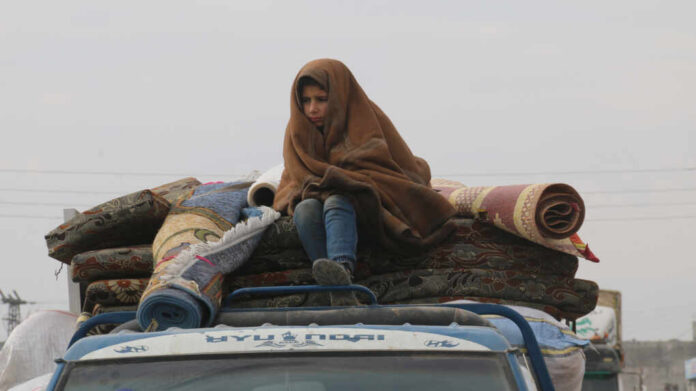
- Hundreds displaced, primarily women and children, from mortar strikes in Suwayda and Damascus suburbs.
- Druze form women’s self-defense units with over 500 members, including minors trained in weapons amid escalating threats.
- Transitional government under Ahmad al-Shara denies responsibility but faces accusations of tacit support for Sunni extremists.
- Violence declined into 2026, yet southern Syria remains tense, deterring minority integration and risking balkanization.
Escalating Clashes Target Druze Communities
Clashes erupted in February 2025 in Jaramana, a Damascus suburb, killing one and injuring nine, then spread to Sahnaya and Sweida. By late April, fighting in Sahnaya and Ashrafiyat Sahnaya claimed 134 lives, including 88 Druze fighters, 14 civilians, and 32 government forces, displacing hundreds. Early May saw Druze-Bedouin battles in Sweida and Daraa countryside displace dozens, mostly women and children fleeing mortar strikes. These events highlight the transitional government’s struggle to maintain order post-Assad.
Bedouin Assaults and Failed Ceasefires Fuel Cycle of Violence
July 2025 violence in Suwayda began with a Bedouin assault on a Druze merchant, leading to intensified fighting despite a ceasefire on July 19. September and October brought government drone strikes on Druze areas and a bus attack killing two Druze civilians. By October, over 1,300 people had died, predominantly Druze civilians targeted by Sunni factions and ISIL affiliates allegedly backed by Ministry of Defense elements. Druze militias, led by figures like Sheikh Hikmat al-Hijri, rejected full integration fearing Islamist dominance.
Minorities Form Desperate Self-Defense Units
Druze communities responded by forming women’s self-defense units exceeding 500 members, including minors trained in weapons, signaling profound desperation. Anti-Druze hate surged on social media with calls for massacres, protests in Hama and Homs, and evacuations of Druze students from universities. Precedents like Alawite massacres by pro-government Islamists deterred disarmament negotiations, which stalled by May 2025 between government official Laith al-Balous and Druze leaders. Children endured displacement and recruitment risks amid the chaos.
Declining Violence Masks Persistent Tensions
Into early 2026, vigilantism dropped 70% from October to December 2025, with three deaths per week reported, yet southern Syria stays tense with ongoing fire exchanges. Ceasefires faltered, and UN assessments described the situation as very tense. Kurds received equal citizenship in January 2026 but paused SDF dissolution due to Druze clash precedents. Low minority representation in elections, including few women, underscores pluralism threats. Government arrests curbed some retaliation but eroded trust.
Sources:
EUAA: Syria Country Focus on Druze
Wikipedia: Druze Insurgency in Southern Syria
The National: Syria Minorities Context 2026
MEI: Syria Stabilizing but US Help Vital
Brookings: Shaping the New Syria
Security Council Report: Syria Briefing 2026
UN Press: Syria Security Council 2026