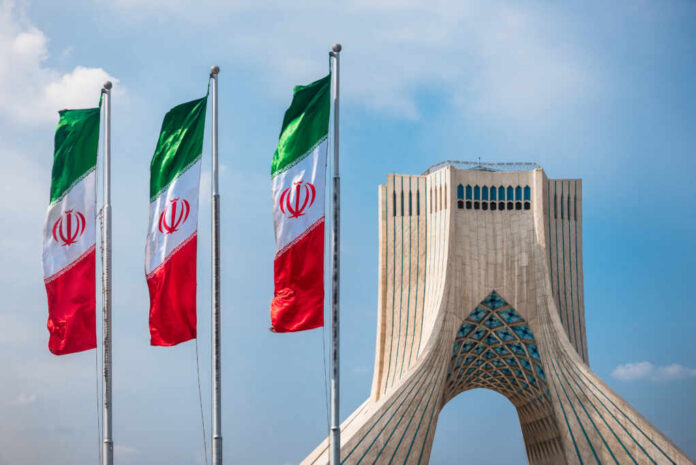
Iranian gunboats tried to bully a U.S.-flagged tanker into stopping in the Strait of Hormuz—until U.S. forces showed up and the ship refused to be boarded.
Quick Take
- Iranian IRGC small boats and a drone hailed the U.S.-flagged M/V Stena Imperative and ordered it to stop engines for boarding.
- The tanker increased speed, stayed in international waters near Oman, and continued under escort by the USS McFaul with U.S. defensive air support.
- U.S. Central Command said the encounter de-escalated and the tanker proceeded safely toward Bahrain.
- MARAD issued Advisory 2026-001 urging U.S.-flagged ships to transit as far as possible from Iran’s territorial sea and to prepare for illegal boarding attempts.
IRGC Harassment Meets a U.S. Escort in a Critical Oil Chokepoint
U.S. reporting and maritime tracking place the incident around Feb. 3–4, 2026, when Iranian Revolutionary Guards Corps boats approached the U.S.-flagged tanker M/V Stena Imperative roughly 16 nautical miles north of Oman’s coast. The IRGC hailed the ship over radio and ordered it to stop engines and prepare for boarding. The vessel instead increased speed, remained in international waters near Oman, and continued its voyage as U.S. forces moved to protect the transit.
U.S. Central Command confirmed the tanker had a U.S. Navy escort from the guided-missile destroyer USS McFaul and that U.S. Air Force defensive support was available overhead. CENTCOM described the situation as de-escalated, with the ship proceeding safely on its route toward Bahrain’s Sitrah port. UK Maritime Trade Operations also issued cautionary guidance after receiving reports of a vessel being hailed by small armed boats in the area.
MARAD’s New Advisory Signals How Serious the Risk Has Become
After the encounter, the U.S. Maritime Administration released Advisory 2026-001 for the Persian Gulf, Strait of Hormuz, and Gulf of Oman, replacing a prior advisory and remaining effective into August 2026. The guidance urges U.S.-flagged vessels to transit “as far as possible” from Iran’s territorial sea without compromising safety, including hugging Oman’s side on eastbound transits. It also advises heightened monitoring, clear communications, and steps to alert authorities if threatened.
MARAD’s advisory reflects a hard reality for American commerce: the Strait of Hormuz is only about 21 miles wide at its narrowest, and it carries roughly one-fifth of the world’s oil alongside significant LNG trade. When a hostile force tests boarding tactics there, the implications reach far beyond one ship and one crew. For U.S. readers tired of watching adversaries exploit perceived American hesitation, the takeaway is simple: presence and preparedness are what keep global trade lanes open and Americans safe.
Conflicting Claims, But Tracking and Official U.S. Statements Matter
Iranian state-linked messaging pushed back on the U.S. account, with Fars News denying the approach and claiming the tanker violated Iranian waters. Reporting cited MarineTraffic data placing the ship in Oman’s maritime economic zone, not inside Iran’s territorial sea. That discrepancy matters because it goes to the core constitutional duty of the U.S. government to protect Americans and U.S.-flagged shipping operating lawfully. When facts are contested, verified tracking and official military confirmations carry more weight than denials from interested parties.
What It Means for Energy Prices, Inflation, and U.S. Leverage
Every time the Strait of Hormuz becomes a pressure point, families at home feel it through higher shipping costs, insurance premiums, and potential energy price volatility. The research also notes broader tensions: U.S.-Iran talks, Iranian domestic unrest, and a U.S. naval buildup in the region. The immediate result was containment—an escort prevented a detention scenario. The longer-term question is whether persistent harassment attempts continue, forcing wider rerouting and raising costs across the supply chain.
Pentagon urges ships to stay 'as far as possible from Strait of Hormuz after boarding attempts… https://t.co/9wXB0ZmILo
— NA404ERROR (@Too_Much_Rum) February 10, 2026
For ship operators, the near-term message is operational: follow MARAD guidance, conduct risk assessments, keep AIS and radios properly managed, and prepare to alert authorities rather than comply with unlawful demands. For the public, the bigger issue is strategic: freedom of navigation is not an abstraction when a single chokepoint can ripple into inflation and economic pain. The Stena Imperative incident ended safely, but it also confirmed why U.S. deterrence and clear red lines remain essential in contested waters.
Sources:
U.S. tanker approached by Iranian gunboats in Strait of Hormuz; Pentagon urges ships to stay ‘as far as possible’ from Iranian waters.
2026-001 Persian Gulf, Strait of Hormuz and Gulf of Oman – Iranian Illegal Boarding, Detention, Seizure
MARAD Warns Ships After Iranian Attempt To Board U.S. Tanker In Strait of Hormuz