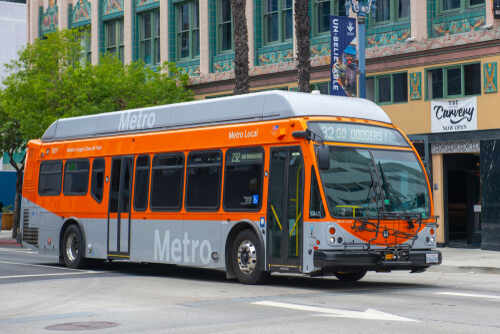
LA Metro’s decade of delays on a vital bus upgrade exposes government bureaucracy’s failure to deliver relief to hardworking commuters.
Story Highlights
- Preconstruction utility digs begin May 11, 2026, on 12-mile Vermont Avenue BRT after 10 years of planning stalls.
- Project targets LA’s busiest bus route, slashing 70-minute commutes to 53 minutes via dedicated lanes.
- Ridership expected to surge 83% to 66,000 daily passengers, serving low-income South LA neighborhoods.
- Costs $300M-$500M, far below rail alternatives, but past BRT failures like Orange Line raise doubts.
Project Kicks Off After Decade of Delays
Los Angeles Metro starts utility identification digs on May 11, 2026, along Vermont Avenue. This marks the first physical step on the 12-mile Bus Rapid Transit project, funded by 2016’s Measure M half-cent sales tax. Voters approved the measure to combat gridlock, yet environmental reviews and utility conflicts postponed groundbreaking for 10 years. The corridor from Hollywood Boulevard to 120th Street handles 36,000 daily bus trips through dense, transit-dependent areas like Koreatown and South LA.
BRT Design Mimics Light Rail Efficiency
Dedicated bus lanes and transit-signal priority enable the BRT system, dubbed “light rail on wheels,” to achieve 24-35 mph average speeds. End-to-end travel drops from 70 to 53 minutes, a 17-minute gain that rivals costlier rail options. Metro projects ridership growth to 66,000 daily passengers, enhancing access to jobs and education in low-income zones where 70% of residents are minorities. The $300M-$500M investment prioritizes quick wins over billion-dollar subways.
ITDP praises the setup as BRT Gold Standard, matching successes in Bogotá and Seoul with 20-40% time savings. USC planners note its fit for high-density without rail expenses, though they warn of bus wear seen in prior projects.
Stakeholders Navigate Construction Challenges
LA Metro Board, led by Chair Ara Najarian and Mayor Karen Bass appointees, oversees the $10B Measure M portfolio. CEO Stephanie Wiggins drives execution for ridership and equity gains. South LA communities and councils in CD-10/11 demand faster transit amid safety concerns. Businesses and LACCD seek minimal disruptions during the 2026-2028 build, which creates 500-1,000 jobs. Caltrans and City of LA handle permits, contributing 20-30% state funds.
Metro’s 12-mile ‘light rail on wheels’ aims to slash commute times on LA’s busiest bus routes by 17 minutes The Vermont Avenue BRT corridor project is expected to decrease the existing end-to-end commute time along the corridor from 70 minutes to 53. https://t.co/KBoIqrvTex pic.twitter.com/LydbVDeR26
— UnfilteredAmerica (@NahBabyNahNah) May 8, 2026
Advocates like Streets for All and Transit Riders Union push for future rail conversion post-2067. Tensions arise over lane closures and detours impacting daily users, balanced by economic boosts of $50M annually from productivity gains.
Impacts and Lingering Doubts Persist
Short-term construction disrupts Vermont Avenue traffic, but post-2028 relief promises reduced car dependency and 20-30% emission cuts. Long-term, it models 27 other BRT lines toward Metro’s 2,200-mile network by 2035, aiding 2028 Olympics prep. Past issues like Orange Line’s noise and $1.5B rail conversion highlight risks. LA Times notes the 10-year delay as typical inefficiency, fueling frustrations with big-government projects that prioritize spending over timely results for everyday Americans.
Sources:
L.A. Metro Finally Breaks Ground on Vermont Ave BRT (Secret Los Angeles)
Metro light rail lines are running more often to serve more riders (LAist)
Los Angeles Light Rail (Remitly)