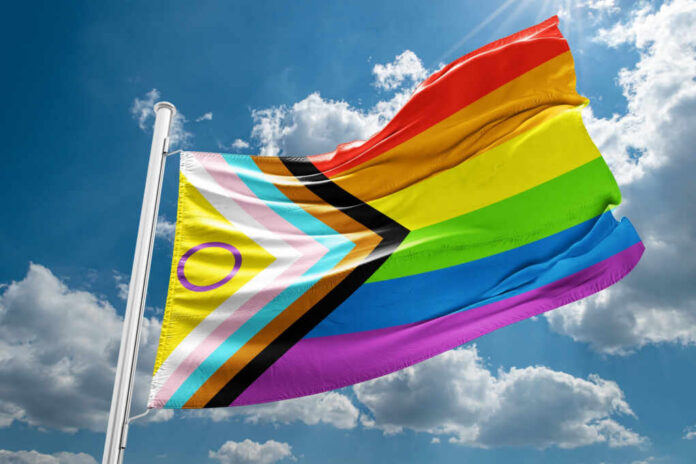
Pride Month is still a cultural flashpoint because the same celebration is now framed by critics as a political warning sign and by supporters as a visibility campaign.
Quick Take
- Rob Finnerty’s Pride Month segment centers on the claim that modern Pride has drifted from activism into spectacle and branding.[3]
- Academic and institutional commentary says Pride is often packaged as a commercial holiday, which has fueled “rainbow capitalism” criticism.
- Historical sources show Pride grew out of rights protests tied to the Stonewall Uprising, not as a generic lifestyle event.
- The dispute now sits between two realities: Pride remains a symbol of LGBTQ visibility, but many critics argue that symbolism increasingly outruns substance.[1]
Pride as Protest, Pride as Brand
Rob Finnerty’s message lands inside a larger argument that Pride Month has become too easy for institutions to celebrate without changing anything. Rutgers University says Pride is often treated as a branded holiday, and that this commercial focus can resemble “pinkwashing” when public support is not matched by action. That tension explains why even supporters of LGBTQ rights sometimes criticize the month’s corporate tone.
The criticism is not new, and it is not limited to outside opponents of Pride. The Pride entry notes that some movements argue modern Pride has suffered a “depletion” of its political claims and a “merchandization” of the parade, while “Critical Pride” emerged specifically to restore political meaning. The same entry also describes “Gay Shame” as rejecting assimilation and overcommercialization.[1]
Why the Backlash Resonates
The backlash resonates because Pride still carries the language of protest, equality, and dignity, yet it is increasingly filtered through sponsorships, retail campaigns, and safe public messaging. Rutgers says corporate branding can raise awareness, but it also warns that the result can be empty of concrete action. That makes the event vulnerable to charges of hypocrisy when companies display rainbow logos while maintaining discriminatory policies or backing harmful political agendas.
Historical framing complicates the argument further. The Library of Congress describes Pride Month as honoring the 1969 Stonewall Uprising, and other public histories connect June observances to police brutality, activism, and LGBTQ rights claims. That origin matters because it shows why some audiences see today’s polished Pride messaging as a departure from the movement’s confrontational roots rather than a natural evolution of it.
What Finnerty’s Segment Signals
Finnerty’s segment reflects a broader media environment in which Pride has become a proxy battle over institutions, identity, and credibility. Critics on the right often see the month as another example of elite messaging disconnected from ordinary concerns, while critics on the left sometimes argue the mainstream version is too sanitized to challenge power. The recent report does not verify every rhetorical claim made in the video, but it does support the underlying critique of commercialization.[3][1]
The limits of the record matter here. It does not prove that Pride Month distracts from anti-violence work, and they do not show that Pride is solely about private behavior rather than civil rights. What they do show is a durable split: Pride remains meaningful as a symbol of visibility, yet a growing body of criticism says the symbol is being repackaged into something safer for sponsors, institutions, and political messaging than for the movement itself.[1]
Sources:
[1] YouTube – ‘The insanity is only just starting’: Finnerty weighs in on Pride …
[3] Web – Reflections on Pride Month | Rutgers University