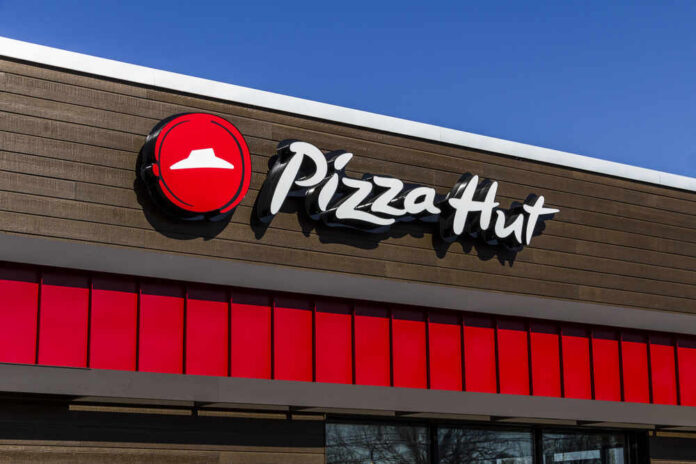
A major Pizza Hut franchisee now says a mandated artificial intelligence delivery system wrecked its business, proving once again what happens when corporate elites trust trendy tech over real-world common sense.
Story Snapshot
- A 111-store Pizza Hut franchisee alleges the chain’s Dragontail artificial intelligence system caused over $100 million in losses through delivery chaos and angry customers.
- The lawsuit says the software undermined local control, slowed deliveries, and shifted power from store managers to gig drivers tied to DoorDash’s platform.[1][2]
- Chaac Pizza Northeast claims it went from one of Pizza Hut’s top performers to steep sales declines after the forced technology rollout in 2024.[1][2]
- The case highlights how centralized, one-size-fits-all “optimization” tech can crush small-business operators when accountability is missing.[1]
Franchisee Says ‘Optimization’ Software Tanked Once-Thriving Stores
Restaurant operator Chaac Pizza Northeast has filed a lawsuit in the Business Court of Texas First Division, accusing Pizza Hut’s Dragontail artificial intelligence system of causing “cascading operational breakdowns” and roughly $100 million in lost business and enterprise value.[1][2] Chaac runs about 111 Pizza Hut locations across New York, New Jersey, Maryland, Washington, District of Columbia, and Pennsylvania, and says it used to be one of the brand’s strongest performers, with fast deliveries and above-average customer satisfaction before the rollout.[1][2]
The complaint argues that Pizza Hut forced franchisees to adopt Dragontail as a mandatory delivery-management platform, marketed as an artificial intelligence tool to “optimize” orders and dispatch.[1][2] According to the filings, Chaac had little choice but to comply, even when early signs suggested the system clashed with its model. Instead of improving performance, the franchisee claims the software disrupted existing processes, sent orders late, and left customers frustrated, turning what had been a growth business into a struggling operation in just a few quarters.[1][2]
How Dragontail Allegedly Shifted Power From Local Managers To Gig Drivers
According to the lawsuit, Chaac “exclusively used and relied upon DoorDash” for deliveries, while Dragontail was designed mainly to help stores using in-house drivers and only secondarily tap DoorDash when needed.[1] That mismatch, the franchisee says, let DoorDash drivers see real-time kitchen data, order timing, and even tip amounts. The suit alleges many drivers began sitting in stores up to fifteen minutes to batch multiple orders, stretching the time between a pizza leaving the oven and leaving the store, which eroded food quality and customer satisfaction.[1][2]
Before Dragontail, managers manually entered orders into DoorDash’s system and could block poorly rated drivers from taking runs, keeping more than 90 percent of deliveries under thirty minutes.[1][2] After the software went live, the integrated system took over dispatch decisions, limiting managers’ authority and increasing dependence on outside drivers’ choices.[1][2] The complaint argues this algorithm-first setup effectively put gig workers and remote code in charge of service quality, while the local small-business owner still carried the financial risk when those decisions backfired.[1]
Sales Collapse And Unanswered Questions About Accountability
Chaac’s lawsuit points to a sharp reversal in its New York City market as evidence of damage tied to Dragontail’s deployment.[1][2] The complaint says the market shifted from 10.19 percent year-over-year sales growth to negative 9.78 percent in the third quarter of 2024, the same period the system was rolled out.[1] The operator alleges that delivery delays, colder food, and dissatisfied customers drove that decline and that Pizza Hut failed to provide adequate training or timely fixes even as metrics worsened.[1][2]
Pizza Hut franchisee says mandated Dragontail software helped drive $100M+ in losses across 111 stores. The complaint says the system slowed delivery, stacked orders, and made service targets harder to hit. Taco Bell operators are watching. pic.twitter.com/H9vwX31s0t
— Prism Taco Bell News (@PrismTacoBell) May 17, 2026
Reports note that Pizza Hut, like many big chains, had already been facing some same-store sales pressure, so separating broader headwinds from software-specific impacts will be central in court.[1] For now, Pizza Hut has issued only a standard statement saying it is reviewing the claims and will respond through legal channels, offering no public technical evidence that Dragontail performed as promised.[1][4] That silence leaves the franchisee’s detailed narrative largely uncontested in the public record, raising broader concerns about who pays when centralized technology goes wrong.
Sources:
[1] Web – Pizza Hut franchisee says AI caused $100M in damages
[2] Web – Mid-Atlantic Pizza Hut Boss Says Glitchy AI Left $100 Million Hole In
[4] Web – Zywave Professional Front Page News – Advisen