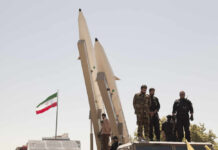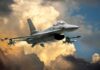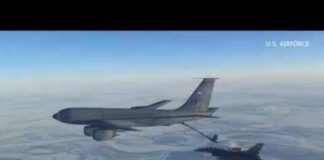
President Trump’s air campaign has obliterated Iran’s air force, navy, and missile sites, but history warns this tactical triumph risks dragging America into another endless foreign war without victory.
Story Snapshot
- U.S. strikes under Operation Epic Fury destroyed 19 Iranian warships, a submarine, F-14 Tomcats, F-4/F-5 jets, and over 2,000 targets since February 28, 2026.
- Joint U.S.-Israel operations killed Supreme Leader Khamenei and hit nuclear sites, yet Iran retaliates with missiles on U.S. bases in Kuwait and Bahrain.
- Historical precedents like Vietnam and Iraq 1991 show air power alone fails to topple regimes or secure lasting peace.
- MAGA base divided: Frustration mounts over broken promises to avoid new wars, spiking energy costs, and no ground troops for regime change.
- Oil exports crippled at Kharg Island; global prices surge, hitting American families amid ongoing conflict into late March 2026.
Operation Epic Fury Unleashes Devastating Airstrikes
On February 27, 2026, at 20:38 UTC, President Trump ordered Operation Epic Fury from Air Force One. CENTCOM launched strikes the next day at 06:35 UTC using B-2 bombers, B-1s, B-52s, Tomahawks, HIMARS, F/A-18s, F-35s, and drones. Targets included airbases, missile facilities, Tehran command centers, IRIB headquarters, Basij HQ, and Bandar Abbas port. Two warships sank immediately, contributing to 19 ships and one submarine destroyed overall. This marked the first direct U.S. strikes on Iranian soil since 1979. Iranian retaliation followed with missiles hitting U.S. bases in Kuwait and Bahrain.
Key Targets Crippled: Navy, Air Force, and Missiles
Strikes obliterated Iran’s outdated F-14 Tomcats, F-4, and F-5 jets, dismantling much of its air force. Naval losses included Soleimani-class corvettes and a submarine at Bandar Abbas. By early March, over 2,000 targets fell, including IRGC bases, Isfahan ammo shelters, Tehran airports, and Kharg Island oil hub on March 13. CENTCOM aimed to dismantle Iran’s security apparatus. Trump declared every military site on Kharg destroyed. U.S.-Israel control skies and seas, forcing Iran to asymmetric drone and missile warfare targeting Gulf states like Dubai and Oman.
Historical Lessons: Air Power’s Strategic Limits
Despite tactical successes, experts draw parallels to past failures. CFR analysis compares this to Iraq 1991, where air campaigns degraded forces but left Saddam in power without ground invasion. Vietnam’s Rolling Thunder bombing similarly failed to break enemy will absent boots on the ground. Sources indicate air superiority achieves destruction but not regime overthrow or strategic victory. Trump urges Iranian uprisings, yet no full capitulation occurred by mid-March. Limited follow-through risks prolonged conflict, echoing neoconservative regime-change pitfalls conservatives reject.
Conservatives question endless wars draining resources from border security and economic relief. High energy costs from disrupted oil flows exacerbate inflation frustrations. Trump’s promise to keep America out of new wars faces scrutiny as MAGA supporters divide on Israel aid and ground troop risks. Iranian-Americans rally support, but domestic priorities like family values and constitutional liberties demand focus over foreign entanglements.
The U.S. Has Destroyed Iran’s Air Force, Navy, and Missile Sites from the Sky: History Says That’s Not Enough to Winhttps://t.co/iVYAA8dXfo
— Harry J. Kazianis (@GrecianFormula) March 26, 2026
Impacts Hit Home: Oil Spikes and Regional Fallout
Short-term effects include over 100 casualties, with 33 civilians in one day and 664 attacks by March 6 causing 25 deaths. Ports like Salalah suspended; Kharg Island strikes crippled oil exports, spiking global prices. A U.S. tanker suffered hits, and regional bases faced assaults. Long-term, nuclear program faces severe setbacks, though full disablement remains unclear. Gulf economic disruption raises terror risks via proxies like Hezbollah. Trump pushes a 15-point peace plan ending Iran’s nuclear ambitions, but Tehran demands reparations and Hormuz control, denying talks.
Sources:
https://www.cfr.org/timelines/us-relations-iran