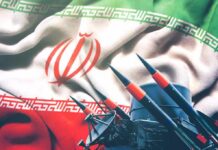
Iran’s Supreme Leader Ayatollah Ali Khamenei issued brazen threats against American warships while conducting live-fire missile drills in the world’s most critical oil chokepoint, exposing the dangerous brinkmanship Trump’s negotiators face as nuclear talks resume in Geneva.
Story Snapshot
- Khamenei threatens to sink U.S. warships as indirect nuclear negotiations begin in Geneva with Trump envoys
- Iran fires live missiles in Strait of Hormuz drills controlling 20% of global oil transit during talks
- Tehran demands “fair deal” without submission while rejecting discussion of recent domestic protest crackdowns
- Trump administration prefers negotiated outcome but warns of consequences after past B-2 strikes on Iranian nuclear sites
Iran’s Belligerent Posture During Diplomatic Engagement
Ayatollah Khamenei delivered defiant remarks on February 17 declaring that American efforts to destroy Iran would fail, while simultaneously warning that U.S. Navy vessels deployed in the Persian Gulf region could be sunk by Iranian military capabilities. These provocative statements coincided precisely with the opening of indirect nuclear negotiations in Geneva between Iranian Foreign Minister Abbas Araghchi and Trump administration envoys Steve Witkoff and Jared Kushner. The timing reveals Iran’s calculated strategy of projecting strength through military intimidation while engaging diplomatically, a pattern familiar to anyone who remembers the regime’s past bad-faith negotiations.
Strategic Maritime Drills Threaten Global Energy Security
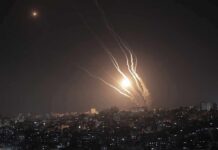
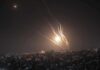
Iran’s Islamic Revolutionary Guard Corps conducted large-scale live-fire missile drills in the Strait of Hormuz on February 17, launching projectiles from land and coastal platforms in waters through which one-fifth of the world’s oil supply transits. This aggressive military exercise directly threatens American economic interests and global energy markets, demonstrating the regime’s willingness to leverage its geographic advantage over this critical waterway. The drills compound concerns about Iran’s regional destabilization efforts and highlight why the Trump administration’s maximum pressure campaign became necessary after the disastrous Obama-era JCPOA deal failed to curb Tehran’s malign behavior and nuclear ambitions.
Negotiations Proceed Under Shadow of Military Threats
The Geneva talks remain strictly focused on Iran’s nuclear program, deliberately excluding domestic issues like Tehran’s brutal suppression of nationwide protests that Khamenei characterized as a Western-backed “coup attempt.” Iranian Foreign Minister Araghchi stated Iran seeks a “fair and equitable deal” while declaring on social media that “submission before threats” is off the table, revealing the regime’s refusal to negotiate from a position of accountability. Secretary of State Marco Rubio expressed hope for a peaceful resolution, though President Trump reminded reporters of his willingness to use force, referencing previous B-2 bomber strikes on Iranian nuclear facilities. This indirect negotiation format, where parties avoid face-to-face meetings, underscores the deep distrust between nations.
Trump’s Strength-Based Approach Contrasts With Failed Past Policies
The current diplomatic standoff traces directly to Trump’s correct 2018 decision to withdraw from the flawed JCPOA nuclear agreement, which provided sanctions relief while failing to prevent Iran’s uranium enrichment escalation and regional aggression. Unlike the appeasement policies of previous administrations that enriched Tehran’s coffers without meaningful restraints, Trump’s maximum pressure strategy combined crippling economic sanctions with credible military deterrence. Iran’s reported precondition demanding complete U.S. military withdrawal from the region before serious talks demonstrates the regime’s expectation of weakness it received from prior leadership. Americans understand that genuine peace requires negotiating from strength, not the capitulation that emboldened adversaries during Biden’s tenure and created this dangerous situation.
The outcome of these negotiations will determine whether Iran’s nuclear program faces meaningful constraints or whether the regime successfully exploits diplomatic theater to buy time for weapons development. Short-term risks include potential miscalculations involving U.S. naval forces in the congested Gulf waters, while failed talks could necessitate military action to prevent a nuclear-armed theocracy dedicated to “Death to America” slogans. Conservative Americans recognize that protecting national security sometimes requires confronting threats directly rather than enabling adversaries through wishful thinking and symbolic agreements that sacrifice American interests on the altar of globalist consensus.
Sources:
Khamenei warns US war would trigger regional conflict – Iran International
You Won’t Be Able To Eliminate Iran: Khamenei’s Challenge To Trump Amid High Tensions – News18