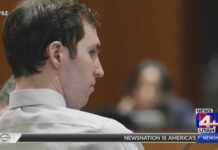

A convicted killer now says his “actual innocence” was buried under false promises and bad lawyering, and he wants the justice system to give him a second shot.
Story Snapshot
- Bryan Kohberger, convicted of killing four University of Idaho students, has filed to withdraw his guilty plea and reopen his case.
- He claims his high-profile defense team misled him, pushed a false confession, and hid evidence that could help him.
- Idaho law allows a plea to be undone only to fix a “manifest injustice,” a very high bar once someone is sentenced.
- Victim families, already angry over the plea deal, now face the possibility of a long, painful fight all over again.
Kohberger’s new claim: ‘My actual innocence is my truth’
Bryan Kohberger is serving four life sentences in Idaho for the 2022 murders of University of Idaho students Kaylee Goncalves, Madison Mogen, Xana Kernodle, and Ethan Chapin. He pleaded guilty in July 2025 in a deal that took the death penalty off the table and waived his right to appeal. Now, court records show he has filed a handwritten petition for post-conviction relief, asking to take back that plea and go to trial. In a statement to The New York Times, he said, “My actual innocence is my truth, and the plea, hinged on false promises and blatant disinformation, MUST be withdrawn.”
In his petition, Kohberger argues that he was “convinced to falsely confess” by his own defense team. He names his lawyers and claims they failed to tell him about “exculpatory discovery,” or evidence that could point away from his guilt, including material discussed in a recent book called “Broken Plea.” He says he relied on their advice and believed he had no choice but to plead guilty to avoid a worse outcome. He is asking the court to appoint new counsel to help him fight his conviction.
What Idaho law says about taking back a guilty plea
Idaho’s rules make it much easier to change your mind before the judge announces a sentence and much harder after. Before sentencing, a person can ask to withdraw a plea for almost any fair and just reason. Once the judge has sentenced, the bar jumps: a plea can be undone only to correct a “manifest injustice.” In plain terms, Kohberger must now show that leaving his plea in place would be a deep, clear wrong — such as proof that the plea was not voluntary, that his lawyers were constitutionally ineffective, or that serious misconduct by prosecutors warped the case.
During his change-of-plea hearing, though, Kohberger told the judge under oath that he understood the deal, was acting voluntarily, and was pleading guilty because he was in fact guilty. The judge then found the plea was “freely, voluntarily and intelligently made” and accepted it. Those sworn statements are a major hurdle. Courts usually treat such admissions as strong evidence that the plea was valid, and legal analysts say it is “exceedingly rare” to undo a plea after sentencing based only on later claims of confusion or bad advice. Kohberger’s request puts these two records — his past confession and his present claim of innocence — on a direct collision course.
Defense claims of bad counsel and hidden evidence
Kohberger’s petition centers on his lawyers, not the police or prosecutors. He claims his team misled him with “false promises” and “wrong information” about the strength of the case and his options. He also says they did not tell him about evidence that could help him, including items he calls “exculpatory discovery.” If true and serious, such failures could support an argument that he received ineffective assistance of counsel — a constitutional problem that sometimes allows convictions to be reopened.
So far, however, the publicly available documents do not spell out exactly what those promises were or which pieces of supposed helpful evidence were hidden. Reporters have seen his petition and his media statements, but the full legal record — including any exhibits, emails, or detailed affidavits — is not yet widely available. There is also no identified new forensic or alibi evidence being cited by name in news reports. Without concrete proof, courts may view his claims as vague and driven by regret rather than hard facts, especially given his earlier detailed plea and sentencing.
Why this fight matters far beyond one murder case
The Kohberger case was already a national symbol of fear and anger, and his sudden reversal taps into deeper worries about how the justice system really works. Many Americans on the right and the left believe powerful insiders cut deals behind closed doors while regular people are pressured into choices they barely understand. Plea bargains often move cases faster and save money, but they also shift focus from truth to efficiency. When a man who confessed to four brutal murders now says he was pushed into it, that feeds the feeling that the system can be more about convenience than justice.
Bryan Kohberger wants to withdrawal his guilty plea and reopen the case…. https://t.co/gZE9FVg30E via @YouTube #bryankohberger
— Sincerely, Katie. (@xPinkSunglasses) July 27, 2026
For the victims’ families, this is another shock. Some were already outraged by the original plea deal, which ended any chance of a public trial and full airing of the evidence. Now they face the possibility of reliving every detail if the court grants Kohberger’s request. For the public, the case raises hard questions: How much should judges trust plea deals in high-profile cases? What safeguards exist to make sure defense lawyers share all evidence and do not push clients into pleas to clear crowded dockets? And if courts almost never let people take back pleas, does “manifest injustice” still mean anything real for those who claim the system failed them?
Sources:
facebook.com, nytimes.com, newsweek.com, independent.co.uk, idahostatesman.com, tmj4.com, usatoday.com, newsnationnow.com, youtube.com, reddit.com