China’s energy regulator says solar power capacity has edged past coal, making solar the nation’s largest power source by capacity.
Story Snapshot
- China’s solar capacity reached about 1,286 gigawatts by end-July, narrowly topping coal capacity.
- Solar now makes up roughly 31.5 percent of China’s total installed power capacity.
- The milestone reflects rapid solar buildout, not dominance in electricity generation, where coal still leads.
- Total power capacity stands near 4.08 terawatts, showing the vast scale of China’s grid.
What Beijing Reported And Why It Matters
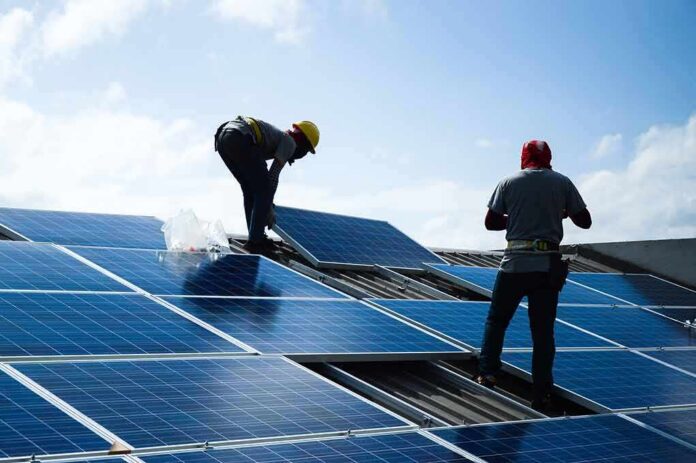
China’s National Energy Administration reported that installed solar capacity reached about 1.286 billion kilowatts at the end of July 2026, slightly above coal at about 1.285 billion kilowatts. Major outlets, including Reuters and Bloomberg, carried the same figures on September 1, citing state television and the agency’s data. The shift marks the first time a non-fossil source sits at the top of China’s capacity chart. The lead is slim, but the direction is clear and years in the making.
The reported solar share equals about 31.5 percent of total installed capacity, placing solar at the center of China’s power buildout. The country’s total installed capacity is around 4.08 trillion watts, underscoring the sheer scale of this system. This capacity surge follows months of heavy solar additions. Industry trackers reported more than 14 gigawatts added in July alone, after a slower spring. The crossover was expected this year as solar raced ahead and coal additions leveled off.
Capacity Is Not The Same As Electricity Produced
Installed capacity measures how much power plants could produce at peak output, not how much they generate over time. Solar output depends on daylight and weather, so it runs fewer hours each day. Coal plants can run much longer and provide steady power. That is why coal still produces far more electricity in China today, even though solar now leads on capacity. Reporters flagged this gap to keep the milestone in context for readers.
The narrow edge also matters. Different outlets list solar at 1,286 to 1,288 gigawatts and coal at about 1,285 gigawatts. That small spread likely reflects rounding or timing. But all reports point to the same outcome: solar overtook coal by the end of July. Earlier briefings hinted the tie would come by mid-year, and the official tally now confirms the crossover. The exact gap may change with revisions, yet the trend remains intact.
What This Means For Prices, Grids, And Global Markets
China’s buildout shapes global energy markets. Faster solar growth can push panel prices lower worldwide and affect fuel demand. For American families and businesses watching bills, cheaper hardware can help, but grid reliability still demands steady power sources and storage. Chinese provinces still add coal for backup and to prevent blackouts during peak demand. Policymakers must balance cleaner power with dependable supply as the system changes.
In China, solar panels have recently surpassed coal power when examining installed generating capacity. As of July 2026, the installed capacity of solar panels totalled 1.286 billion kWs while coal power reached 1.285 kWs. China’s solar panel capacity also ranks first globally. pic.twitter.com/0xfNDZISJo
— China Pictorial (@CHINA_PICTORIAL) September 2, 2026
For readers worried that elites pick winners and ignore costs, this news cuts both ways. On one hand, rapid solar growth shows how policy and industry scale can move markets. On the other, coal still carries the load when factories and homes need power at night or in storms. The lesson for the United States is simple: build what works, keep power affordable, and make the grid tougher against heat, cold, and cyber risks. Capacity milestones matter, but reliability pays the bills.
Sources:
now.solar, energynews.pro, bloomberg.com