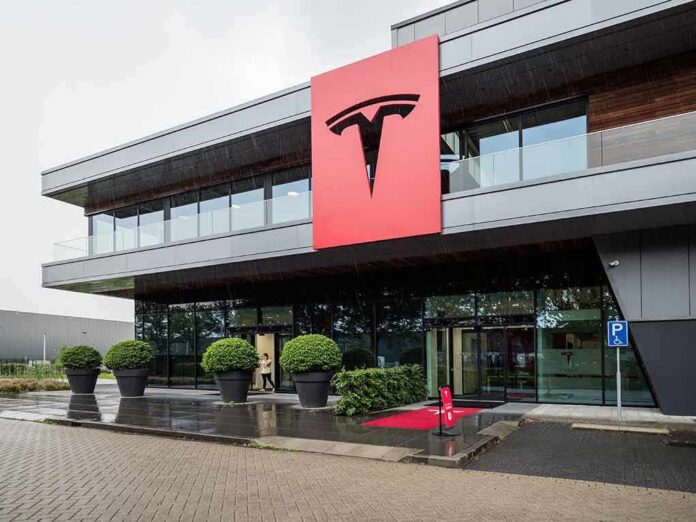
Elon Musk said Tesla will wind down Cybertruck production at its Texas factory by mid-2027 to free space for the Cybercab program, signaling a major shift in the company’s priorities.
Story Highlights
- Musk said Cybertruck output in Texas will wind down around mid-2027 to expand Cybercab production.
- Estimated U.S. Cybertruck sales fell to 20,237 in 2025, down 48% from 2024.
- Tesla began Cybercab production in Texas, making the capacity shift operationally plausible.
- Tesla has not said whether Cybertruck will be built elsewhere after Texas slows down.
Musk Sets Mid-2027 Wind-Down To Shift Capacity To Cybercab
Elon Musk posted that Tesla will wind down Cybertruck production at Gigafactory Texas around the middle of next year to make room for more Cybercab production. The statement defines a factory-specific change, not a blanket end to the model. Reports emphasized the timing and the reason: freeing capacity for the autonomous taxi effort, which Tesla has cast as strategic. The company did not publish unit economics or detailed factory retooling plans alongside the announcement.
Tesla has started making the Cybercab in Texas, according to company materials. That makes the shift from trucks to robotaxi lines easier to understand. Investor documents and the second quarter 2026 update referenced Cybercab production activity at the same site. Installed capacity and real output often differ, but Tesla has laid groundwork at that factory for both vehicles. That alignment supports Musk’s plan to repurpose floor space and labor for the new fleet vehicle.
Sales Slump Undercuts Early Cybertruck Hopes
External sales estimates show a steep drop from the early hype. Reuters, using Kelley Blue Book data, reported 20,237 Cybertrucks sold in the United States in 2025. That was down 48% from 38,965 in 2024. Earlier in 2025, the first nine months also trailed the year before. Musk once talked about reaching about 250,000 units a year, which made the actual volumes look small beside a bold target. Tesla does not break out model sales in its delivery reports.
Automakers often move capacity when demand misses plans. The electric vehicle market is still growing, yet many companies are slowing or refocusing programs. Leaders have canceled models, delayed launches, or shifted factories to other products to protect cash and margins. Tesla’s Texas change fits that pattern. The company is betting those same resources will earn more building a robotaxi than a stainless-steel pickup that has not hit scale so far.
What Changes For Buyers, Workers, And Investors
Texas shoppers should expect fewer new Cybertrucks built locally as the wind-down takes hold. Tesla has not said whether another plant will take over Cybertruck assembly after Texas slows production. That leaves near-term supply uncertain beyond what Texas can complete before the shift. The company also did not share order backlog numbers, inventory details, or gross margins for the model. Without those figures, the exact tradeoff between trucks and robotaxis remains unclear.
3/3 | Tesla is aiming to clear its existing Cybertruck orders before shifting production capacity towards Cybercab expansion. The coming months will be crucial for the company's production plans.#Cybercab #Tesla
— All360verse (@All360verse) November 7, 2026
For workers in Texas, the plan signals different work rather than less work. A wind-down in one line often pairs with hiring or retraining in another. Cybercab growth could pull the same technicians, engineers, and production staff into new tasks on updated tooling. For investors, the move concentrates Tesla’s story on autonomy. That could raise upside if the robotaxi bet works, but it also raises risk if regulators or demand slow its path to scale.
Sources:
msn.com, reuters.com, rmb.reuters.com, assets-ir.tesla.com, foxbusiness.com, finance.yahoo.com