Spain will head back to the polls on November 29 after Prime Minister Pedro Sánchez’s housing plan collapsed in Parliament.
Story Snapshot
- Prime Minister Pedro Sánchez announced a snap election for November 29 at Madrid’s Moncloa Palace on Monday.
- The call came days after lawmakers rejected two housing decrees meant to fight Spain’s rent and eviction crisis.
- Sánchez will dissolve Congress through a decree approved at an emergency cabinet meeting, with the order published in Spain’s official gazette.
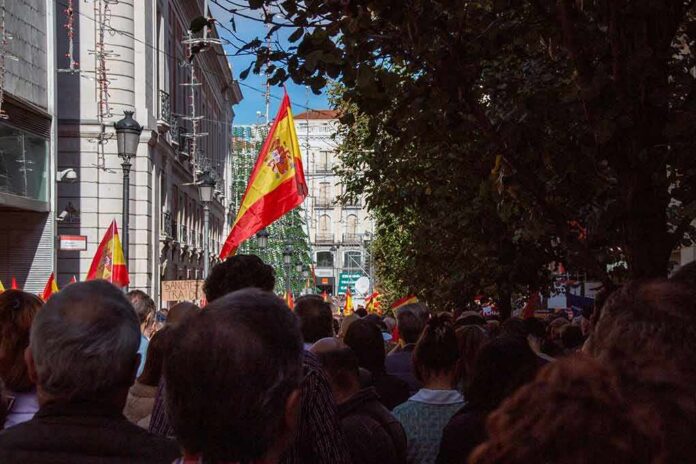
- The vote follows weeks of mass protests over soaring rents, giving housing a central role in the campaign.
- Sánchez framed the election as a choice between a “far-right wave” and a path of openness and social justice.
Sánchez Announces Early Vote After Weekend of Talks
Sánchez revealed the decision Monday in a statement at Moncloa Palace, the seat of Spain’s government, after a weekend of talks with his closest advisers. He said Spaniards must decide “what future you want,” framing the choice as one between a “far-right wave” and a path built on “openness, social justice and environmental responsibility.”
The announcement moves Spain’s next national vote up by more than a year. Multiple news organizations, including Reuters, Al Jazeera, CNN and Euronews, confirmed the same basic facts within hours: an early vote, set for November 29, triggered by a legislative defeat on housing.
Housing Defeat Set the Stage
The trigger came the previous Friday, when Parliament voted down two decrees from Sánchez’s minority left-wing coalition designed to address Spain’s housing crisis. The government, made up of the Socialist Party and the Sumar alliance, could not secure enough votes to pass the tenant-protection measures.
Spain’s housing problem has become one of the country’s most painful political issues. Rents and home prices have surged in cities like Madrid, pushing renters into the streets in large protests. The defeated decrees were meant to directly address that anger, making their failure in Parliament a visible and public setback for the government.
What Happens Next in the Dissolution Process
Sánchez plans to convene an extraordinary cabinet meeting to formally dissolve the Cortes Generales, Spain’s parliament. The resulting decree will then be published in Spain’s Official State Gazette, the legal step that starts the clock on the new election. Under Spanish law, the vote must happen exactly 54 days after that publication.
Dissolving Parliament does not immediately strip the government of its powers. Spain’s government does not enter a caretaker status until the actual day voters cast ballots, meaning Sánchez’s cabinet can still pass emergency measures between now and November 29.
The snap election puts Sánchez’s coalition back in front of voters at a moment when opposition parties, including the Popular Party, Vox and Junts, have led in national polls. Those same parties also blocked the housing decrees, a point Sánchez’s allies are likely to highlight as the campaign unfolds over the next seven weeks.