Three people died and one was hospitalized after a news helicopter crashed and burned in Los Angeles, drawing a massive response and a federal probe.
Story Highlights
- Los Angeles Fire Department logged the crash at 6:57 p.m. in Chatsworth and put out the fire.
- Officials reported three dead at the scene and one person taken to a hospital.
- Early reports indicate the aircraft was a news helicopter linked to KNBC/News Chopper 4.
- Federal investigators from the National Transportation Safety Board and Federal Aviation Administration will lead the case.
Confirmed Facts From First Responders
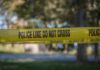
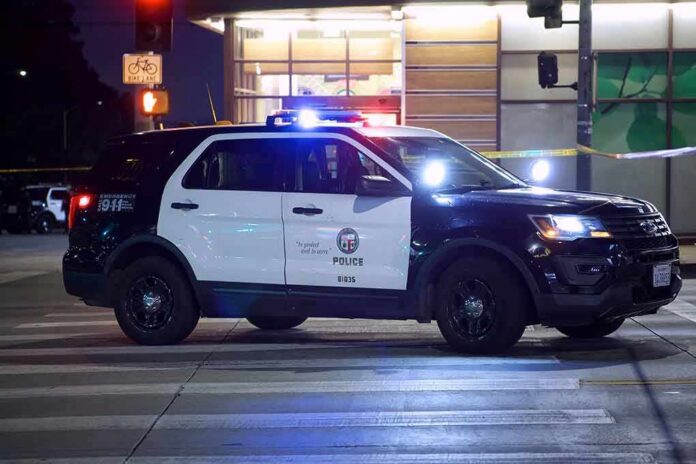
Los Angeles Fire Department dispatchers recorded an aircraft crash at 6:57 p.m. near North Mason Avenue in the Chatsworth area. Firefighters reached the scene and found a helicopter down with a significant fire. Crews fully extinguished the flames and checked for survivors. Commanders reported four people assessed, three declared dead at the scene, and one transported to a local hospital in unknown condition. Officials said federal investigators from the National Transportation Safety Board and the Federal Aviation Administration would take over.
Fire officials said 56 firefighters responded to the incident. Photos from the scene showed wreckage near vehicles and large cargo containers, which matched statements that the crash sparked a fire close to parked equipment. Crews worked to stop spread to nearby property and then secured the perimeter for investigators. The department did not release names or detailed roles of the victims. The condition of the hospitalized person was not shared at the time of the update, pending hospital evaluation.
What We Know About The Helicopter
Initial alerts described the aircraft only as a helicopter of unknown make or model. Local coverage soon indicated the downed aircraft was a news helicopter working near the site. NBC Los Angeles later confirmed it had lost contact with its air crew and that the helicopter was News Chopper 4 used by KNBC. The timeline placed the impact just before 7 p.m., which aligned with the fire department’s incident log for the crash in Chatsworth.
Officials did not provide a cause for the crash. That is normal at this stage. The National Transportation Safety Board typically reviews operations, aircraft systems, powerplants, weather, and human performance before it names a likely cause. That process starts with on-scene work and can take months. The agency’s “Go Team” approach brings specialists to gather wreckage evidence, flight tracking data, and any relevant air traffic records. A preliminary report often arrives within weeks, with a final report later.
Community Impact And Safety Context
The crash happened near businesses and vehicles, raising the risk to bystanders. Crews reported no structure fires but noted nearby property damage as they put out the flames. For residents, scenes like this cut across politics. People want basic safety, clear answers, and leaders who treat preventable deaths as a top job. Whether you blame poor oversight or aging equipment, the bottom line is the same: families deserve air operations that do not end in roadside fire and grief.
An NBC news helicopter just crashed on live TV while covering a crash in Los Angeles
Three confirmed dead, 2 on board and one person on the ground.
pic.twitter.com/34FBxAIRGb— Paul of Legally Armed America (@Paul_of_LAA) September 16, 2026
Helicopter accidents are rare compared with daily road crashes, but they draw sharp attention because they unfold in public view. When a news aircraft goes down, the shock is greater. Viewers expect the press to bring facts home, not become part of the tragedy. Federal investigators have, in other cases, urged fixes to flight routes, training, or equipment after fatal events. Those steps aim to prevent the next loss, not just explain the last one.
What Comes Next In The Investigation
The National Transportation Safety Board and the Federal Aviation Administration will secure wreckage, document the site, and gather maintenance and flight records. Investigators will interview witnesses and first responders. They will review any flight tracking and radio audio if available. A preliminary report will summarize early facts without naming a cause. The final report will state probable cause and any safety recommendations. That timeline reflects standard practice and helps prevent guesswork turning into error.
Officials also will coordinate with the medical examiner to identify victims and with hospitals on the survivor’s condition. The station and operator will likely share information about the crew when families are notified. Local agencies will release incident logs as public records. Those documents help answer key questions: who was on board, what the flight plan was, what weather and visibility were, and whether the helicopter had any known issues before takeoff.
Why This Matters
Every serious crash tests whether our systems work for the public. People want fast, accurate facts, not spin. They want to see that safety rules are clear, enforced, and improved when gaps appear. That demand is not partisan. It reflects a shared belief that life is precious and that public and private leaders must earn trust through transparency and results. Clear updates from investigators, steady care for the families, and honest fixes are the least we should expect.
Sources:
facebook.com, lafd.org, youtube.com, cbsnews.com, news18.com, nbclosangeles.com