On the 25th anniversary of 9/11, a campus memorial of 2,977 American flags was marked with political messages, turning a quiet tribute into an investigation.
Story Snapshot
- Students reported political markings on a 9/11 flag memorial at California State University, Stanislaus.
- The display used 2,977 flags, matching the number of lives lost on 9/11.
- The university said campus police received a vandalism report and opened a case.
- Young America’s Foundation condemned the act as disrespectful to victims.
What Happened At The Memorial
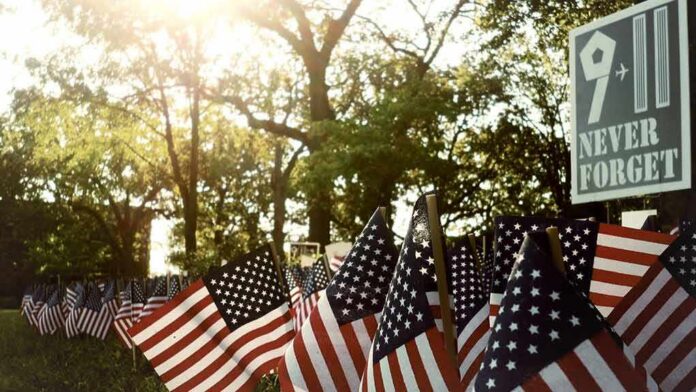
Students and organizers said a memorial of small American flags at California State University, Stanislaus was marked with phrases like “Free Palestine,” “Blowback,” and “161” on September 11, 2026. The date marked 25 years since the terror attacks. Photos posted by student organizers showed ink on several flags placed on a campus lawn. The university said its police department received a vandalism report and was looking into the incident, which drew swift public attention.
The memorial was part of Young America’s Foundation’s “9/11: Never Forget” Project. That effort places 2,977 flags on campuses nationwide, with each flag meant to honor one person killed in the attacks. The group says the goal is to help a new generation remember the lives lost and the national unity that followed. Chapters plan the displays each year, often with campus approval and volunteer help.
Why This Struck A Nerve
Marking a memorial on the anniversary hits a shared nerve for many Americans. It mixes grief, patriotism, and politics in one place. Supporters of the display see the ink as a slap at the country and the dead. Others may view it as protest, however misplaced. This kind of clash is not new. Similar 9/11 flag displays have been taken or marked at other universities over the years, sparking anger and debate about respect, free speech, and civic norms.
Young America’s Foundation condemned the markings and called them disgraceful to the 2,977 victims. The group framed the act as a disrespectful stunt against a nonpartisan remembrance. The university said police opened an investigation after receiving the report. Officials did not identify suspects at the time of the initial coverage. That left key details pending while photos and posts spread online and pushed the story into national conversation.
The Campus Free Speech Tension
Public colleges are often legal battlegrounds for speech and conduct. The First Amendment protects speech, including harsh or offensive views. But it does not protect vandalism or damage to others’ displays. Universities try to set clear rules for time, place, and manner while allowing room for protest. When a permitted memorial is altered, schools face a hard test: defend open debate while enforcing rules that keep events safe and respectful.
These fights have a pattern. A symbol goes up. Someone alters it to send a message. Organizers feel violated. Opponents claim it is protest. The cycle repeats, and trust erodes. In past cases, students removed flags or painted “bloody” handprints near 9/11 tributes, which set off public backlash and discipline debates. Each time, the core questions return: where does speech end and sabotage begin, and who protects the shared spaces we all use.
Why This Matters Beyond One Campus
This story taps a deeper worry for people on the left and the right. Many feel the country’s institutions cannot keep order or hold fair lines. They see rules that bend for the powerful and chaos for everyone else. A simple memorial for the fallen becomes a stage for conflict. That leaves families of victims hurt again and students less sure that their campus is a place to learn, honor, and disagree without tearing each other down.
What To Watch Next
Watch for updates from the university police on any suspect, motive, or charges. Look for whether the school tightens event rules, adds cameras, or sets penalties for damaging displays. See if student groups across ideologies can agree on basic guardrails: protect memorials, debate ideas, and do not destroy others’ speech. Real leadership on campus will mean both strong enforcement and open space for lawful dissent.
Sources:
nypost.com, yaf.org, afn.net, kslm.news