

Childhood stress from broken families and neglect now proven to trigger lifelong gut disorders, underscoring how leftist family breakdowns harm American kids for generations.
Story Highlights
- NYU study links early life stress like maternal separation, abuse, and depression to persistent GI issues including IBS, constipation, and pain.
- Mouse models and over 52,000 human children confirm disrupted gut-brain axis leads to lifelong digestive problems.
- Researchers urge screening childhood trauma in GI patients, rejecting one-size-fits-all government healthcare approaches.
- Pathways differ by symptom—sympathetic for motility, serotonin for pain—calling for targeted, common-sense treatments.
- Under President Trump’s America-first policies, families strengthened means healthier futures without big-government overreach.
Study Reveals Gut-Brain Link from Early Adversity
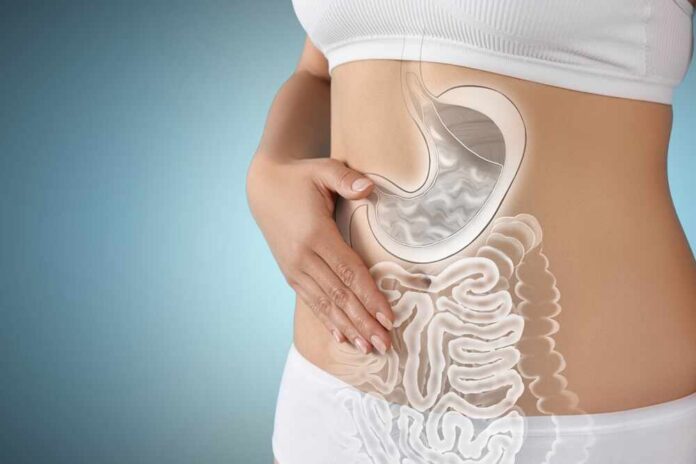
Researchers at NYU College of Dentistry’s Pain Research Center published findings in March 2026 showing early life stress disrupts gut-brain communication. Mouse models using neonatal maternal separation demonstrated sex-specific motility changes and distinct pathways. Sympathetic signaling alters gut motility, while sex hormones and serotonin influence pain sensitivity. Human data from a Danish cohort of over 40,000 children and the US ABCD study of about 12,000 children confirmed elevated GI risks like irritable bowel syndrome, constipation, and diarrhea, regardless of sex. This integrates preclinical and large-scale evidence unlike prior studies.
Childhood Stress Sources and Long-Term Toll
Early life stress includes maternal depression, abuse, neglect, and separation, acting during critical gut-brain development periods. Historical research from the 2000s used rodent models to link maternal deprivation to GI inflammation and vulnerability. Porcine models in the 2010s replicated chronic diarrhea via conserved stress axes. Recent human cohorts like Generation R tied stress to microbiome shifts. Columbia findings connect child GI complaints to future mental health risks. These adversities program exaggerated stress responses, raising allostatic load for adult disorders. Strong families protect against such harms.
Lead Researcher Advocates Practical Screening
Kara Margolis, MD, director of NYU Pain Research Center and professor at NYU Grossman School of Medicine, led the study. She emphasizes asking about childhood events in GI consultations. Margolis states childhood history guides mechanism-based treatments over generic approaches. Danish and ABCD datasets linked maternal depression to higher GI diagnoses in over 52,000 children. Institutions advance pediatric gastroenterology through these analyses. Margolis influences practice via publications, pushing integrated anxiety and GI care without expanding bloated federal programs.
Findings prompt pathway-specific trials, mirroring mouse results but without human sex differences. Pre-2026 work by Margolis connected maternal antidepressants to child constipation.
Scientists link childhood stress to lifelong digestive issues https://t.co/ebyfT1MskD
— Un1v3rs0 Z3r0 (@Un1v3rs0Z3r0) March 18, 2026
Implications for Families and Healthcare Costs
Short-term shifts include ELS history in GI visits, boosting combined therapies and lowering costs through early screening. Long-term targeted interventions like sympathetic blockers for motility or serotonin modulators for pain reduce disorders of gut-brain interaction prevalence. Affected children from stressed environments face higher IBS risks; integrated care benefits pediatric and mental health patients. Socially, it destigmatizes adversity while advancing precision medicine. Economically, less morbidity eases burdens on American taxpayers. Conservative values prioritizing family stability prevent these issues at the root.
Sources:
Early life stress linked to long-lasting digestive issues
PMC article on early life stress and GI function
PubMed on ELS and gut microbiome in children
Columbia news on child GI and mental health