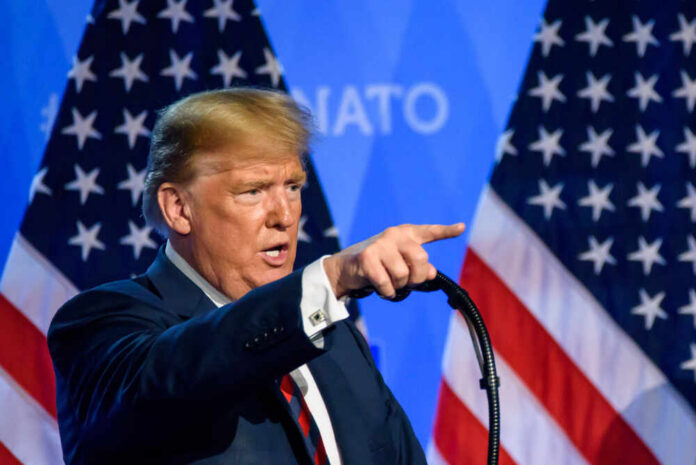
NATO’s top official acknowledged President Trump’s frustration with allies who hesitated to support America’s mission against Iran, exposing cracks in the alliance when U.S. forces needed help most.
Story Snapshot
- NATO Secretary General Mark Rutte validated Trump’s concerns about allies’ delayed response during Iran crisis operations
- Trump criticized NATO members as “cowards” after some delayed overflight approvals while U.S. forces targeted Iran’s nuclear facilities
- Iran demonstrated unprecedented reach by striking Diego Garcia base 4,000 kilometers away and blocking the Strait of Hormuz
- Rutte praised U.S. military degradation of Iran’s capabilities while defending NATO’s limited role outside its defensive territory
Alliance Tensions Surface During Critical Operations
NATO Secretary General Mark Rutte addressed Trump’s sharp criticisms of European allies during March 2026 interviews, following the U.S.-led military campaign against Iran’s nuclear and ballistic missile programs. Trump publicly labeled the Iran crisis a “great test” for NATO allies, expressing disappointment that some members failed to provide immediate support despite advance notifications. Rutte neither fully endorsed nor rejected Trump’s assessment, instead acknowledging the president’s frustration while emphasizing that NATO operates as a defensive alliance with limited obligations outside its Euro-Atlantic territory. This diplomatic balancing act highlights the ongoing tension between American expectations and European commitments.
Allied Hesitation Raises Accountability Questions
Reports indicate some NATO members delayed overflight approvals and logistical support as U.S. forces moved to counter Iran’s blockade of the Strait of Hormuz, through which 20 percent of global oil flows. Trump’s frustration centers on allies’ slow response despite months of preparation time and intelligence sharing about Iran’s nuclear timeline. The president threatened to reposition U.S. troops away from non-supportive allies, leveraging America’s military presence in Europe as accountability for burden-sharing failures. For Americans weary of subsidizing wealthy nations’ defense while facing criticism, this episode reinforces concerns that the alliance operates as a one-way street benefiting elites who refuse reciprocal sacrifice.
Iran Crisis Exposes NATO’s Operational Limitations
Iran’s missile strike on Diego Garcia, a U.S.-UK base located 4,000 kilometers from Iranian territory, demonstrated capabilities that Rutte admitted brought European capitals within striking distance. The NATO chief stated Iran was “very close” to threatening Berlin, Paris, and Rome before U.S. operations degraded those capabilities. Rutte supported the American military action as making the world safer, calling it “existential news” for European security. However, NATO’s formal involvement remained limited to protecting member Turkey from potential Iranian retaliation, underscoring the alliance’s structural constraints when conflicts occur outside its designated area. This operational gap leaves the U.S. carrying the burden while allies enjoy security benefits without commensurate risk.
Defense Spending Debate Intensifies
Trump’s criticism builds on his longstanding campaign for NATO members to meet defense spending commitments, particularly the 2 percent GDP target many allies ignored for years. The Iran crisis provided fresh evidence that inadequate allied military capacity forces the U.S. to shoulder disproportionate operational loads during global crises. Rutte acknowledged allies needed preparation time that wasn’t available during the urgent Strait of Hormuz situation, implicitly validating Trump’s point about readiness gaps. Short-term implications include heightened U.S.-European tensions and potential American troop repositioning, while long-term effects may accelerate defense budget increases as allies recognize that flattery alone won’t satisfy Washington’s demands for substantive contributions during genuine security challenges affecting shared interests.
Polling data suggests European publics support degrading Iran’s capacity to “export chaos,” yet their governments’ hesitant response reveals a pattern frustrating to Americans across the political spectrum: elites proclaim shared values while avoiding the costs and risks those values require. The alliance’s credibility depends on demonstrating that mutual defense means genuine burden-sharing, not rhetorical solidarity followed by bureaucratic delays when American forces need tangible support. Whether NATO can adapt to meet threats beyond its traditional territory without America shouldering the entire load remains an open question that will shape the alliance’s relevance in an era of global challenges.
Sources:
Mark Rutte NATO Secretary General Face the Nation Transcript 03-22-2026
NATO Chief Navigates Trump’s Criticism Over Iran Crisis
Fox News Interview with NATO Secretary General Mark Rutte