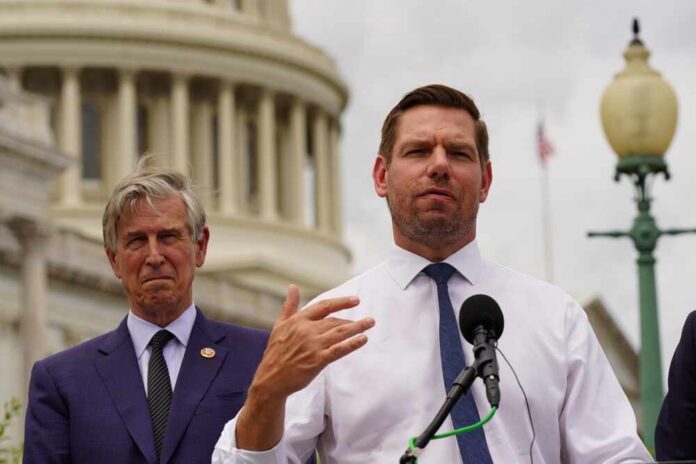
Rep. Eric Swalwell’s aggressive cease-and-desist letters against sexual assault accusers expose a desperate bid to salvage his crumbling California gubernatorial campaign, raising questions about accountability in elite politics.
Story Snapshot
- Swalwell faces allegations from four women, including a former staffer claiming rape in 2019 and 2024, as reported by CNN and San Francisco Chronicle.
- Attorney Elias Dabaie labels claims “baseless,” sends legal threats, and vows defamation suits amid rapid supporter exodus.
- Swalwell denies all misconduct, apologizes vaguely to his wife for “mistakes,” but commits to fighting on before June primary.
- Key Democratic backers like Reps. Jimmy Gomez and Ruben Gallego quit, fracturing party unity in frontrunner’s race.
Allegations Emerge Amid Gubernatorial Bid
Unverified social media rumors about Rep. Eric Swalwell’s interactions with young staffers circulated weeks before April 10, 2026. On that Thursday, his attorney Elias Dabaie texted cease-and-desist letters to at least one accuser, demanding an end to “baseless” sexual assault claims. Swalwell, a Democrat from Dublin serving Congress since 2013, publicly denied requiring NDAs from interns or any relationships with staff. These developments hit as he positioned as frontrunner in California’s June 2026 primary to replace Gov. Gavin Newsom. The timing amplified scrutiny on his past as a prosecutor handling assault cases.
Escalation and Legal Pushback
By April 11, progressive attorney Cheyenne Hunt posted Dabaie’s letter online, confirming its authenticity while organizing alleged victims. The San Francisco Chronicle detailed an ex-staffer’s rape claims from 2019 and 2024, citing text messages and witnesses; she avoided police fearing disbelief due to intoxication. CNN reported four women accusing misconduct. Dabaie defended on TV, calling attacks “political machinations” for vote consolidation and promising to “attack on all fronts.” Swalwell rejected the accounts as false smears against his 20-year record protecting women.
Campaign Implodes with Supporter Fallout
Swalwell’s campaign suffered immediate blows as co-chairs Reps. Jimmy Gomez and Ruben Gallego withdrew support, citing ethics concerns. Other allies, including Sen. Adam Schiff and labor unions, followed, urging his exit less than a month before mail ballots. Swalwell issued a statement apologizing to his wife for unspecified “mistakes in judgment” and supporters, while denying criminal acts or settlements. He shifted focus to family time but vowed legal defense, highlighting no prior ethics complaints in 13 congressional years. Party pressure mounted from DNC influencers and media amplification.
This crisis fragments California Democrats, fueling debates on leadership accountability. Both conservatives frustrated with elite impunity and liberals demanding justice see government figures prioritizing power over people. Vague admissions without evidence raise doubts, echoing broader distrust in a system where officials evade scrutiny, departing from founding principles of transparency and equal justice. Uncertainties persist on accuser details and letter count, with no verified police reports.
Oh My: Dems Are Not Going to Like What Swalwell's Attorneys Just Said About the Allegations Against Himhttps://t.co/C8gqxpyprm
— RedState (@RedState) April 11, 2026
Broader Implications for Politics and Trust
Short-term, Swalwell’s viability threatens amid primary chaos; long-term, unresolved claims could end his governorship bid and taint his career. Victims’ advocates decry legal intimidation, while defenders frame it as rush-to-judgment sabotage. The episode heightens scrutiny on candidates’ histories, potentially deterring staff speech or spurring preemptive lawsuits. In a divided era under President Trump’s second term, where GOP holds Congress, this underscores shared bipartisan frustration with unaccountable elites—”deep state” insiders—who shield themselves while Americans struggle economically and socially.