Senator Lindsey Graham is defending a war costing American taxpayers $1 billion per day while civilian casualties mount in Iran, raising serious questions about whether our leaders are prioritizing foreign entanglements over the Constitution’s war powers and fiscal responsibility.
Story Highlights
- Graham lobbied Trump intensely alongside Netanyahu to launch military strikes against Iran, with operations beginning February 28, 2026
- The senator defends $1 billion daily war costs as “best money ever spent” despite oil prices spiking 27% in one week
- Over 1,200 civilians have been killed including nearly 200 children, while Graham pushes for expanded military action
- Graham urges preserving Iran’s oil infrastructure for post-regime economic recovery while criticizing hesitant Arab allies
Graham’s Role in Launching Military Action
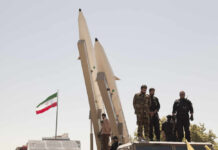
Senator Lindsey Graham made multiple trips to Israel before the conflict, coordinating with Prime Minister Benjamin Netanyahu on strategies to convince President Trump to authorize strikes against Iran. Graham’s lobbying efforts intensified after the successful January 2026 operation capturing Venezuelan leader Nicolas Maduro, which reportedly shifted Trump’s willingness to take bold military action. By late February, Trump deployed a second aircraft carrier to the region, and on February 28, 2026, US-Israel joint strikes commenced against Iranian targets.
Defending Massive Taxpayer Costs Amid Economic Strain
Graham publicly characterized the billion-dollar daily expenditure as justified investment to topple what he calls a “religious Nazi regime.” The senator predicts future profits and regional stability will offset current costs, dismissing concerns about the financial burden on Americans already struggling with inflation. Trump is now seeking an additional $50 billion supplemental funding on top of the $1.5 trillion defense budget. Meanwhile, oil prices have surged 27 percent in a single week, compounding the affordability crisis facing working families across America.
Civilian Casualties and Humanitarian Concerns
Humanitarian reports document over 1,255 Iranian deaths, with 1,205 identified as civilians including 194 children. More than 12,000 individuals have sustained injuries as Israeli forces target regime infrastructure. Graham maintains this represents liberation rather than aggression, arguing the Iranian people will benefit from regime collapse. However, this framing ignores the immediate suffering of innocents caught in the crossfire and raises constitutional questions about committing American forces to open-ended conflicts without proper congressional authorization.
Strategic Oil Preservation Amid Destruction
Graham issued a notable caveat to his otherwise unrestricted military advocacy: preserve Iran’s oil infrastructure for post-regime economic recovery. When Israel struck fuel facilities near Tehran in early March, Graham publicly urged caution, arguing Iran’s oil sector must remain viable to help the Iranian people rebuild after regime change. This position contradicts his broader push for overwhelming force against all regime assets. Critics note this exception protects global energy markets while conventional and civilian infrastructure faces systematic destruction.
Ally Criticism and Fraying Regional Relationships
The senator openly criticized Saudi Arabia and the UAE for refusing direct military involvement despite sustained Iranian attacks previously targeting Saudi territory. Graham questioned the value of US defense pacts with Gulf nations unwilling to join the fight, while a UAE billionaire publicly rejected Graham’s calls for Arab participation. The senator also accused European allies of losing “moral clarity” for their hesitancy. This ally-shaming approach risks undermining the strategic partnerships Americans have invested decades building, potentially isolating the United States in future regional crises.
Sources:
Jerusalem Post – Graham on Iran military action and allied involvement
Truthout – Graham defends billion-dollar daily war costs
Politico – Graham’s role in persuading Trump on Iran strikes