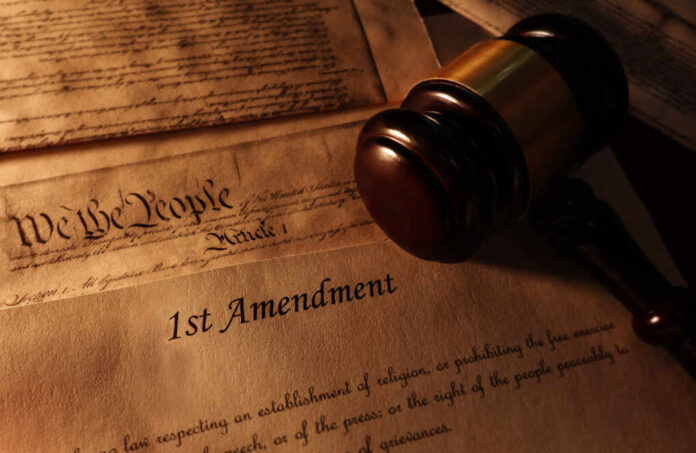
A new bipartisan bill threatens First Amendment rights, stirring debate among patriots.
Story Highlights
- The Special Operator Protection Act aims to criminalize sharing personal information of U.S. special forces.
- The bill, introduced following a controversial journalist’s post, raises First Amendment concerns.
- It reflects tensions between national security and press freedom in the post-Maduro capture era.
- Both Republicans and Democrats support the bill, highlighting bipartisan agreement on national security.
Bipartisan Push for Security
In January 2026, a bipartisan coalition introduced the Special Operator Protection Act, aiming to criminalize the public dissemination of personal information about U.S. special operations forces (SOF). Leading this legislative effort are Sens. Ted Budd (R-NC) and Jeanne Shaheen (D-NH) in the Senate, along with Reps. Richard Hudson (R-NC) and Pat Harrigan (R-NC) in the House. The bill targets the unauthorized release of information about SOF personnel, especially when done with intent to threaten or incite violence.
This move follows a controversial incident involving journalist Seth Harp, who posted details about a Delta Force commander involved in the capture of former Venezuelan President Nicolás Maduro. The journalist defended his actions, claiming the information was publicly available, but his posts led to accusations of jeopardizing the safety of military personnel.
Balancing Security and Freedom
The bill’s introduction brings to light the tension between national security concerns and First Amendment rights. While proponents argue the need to protect SOF members from potential threats and retaliation, press freedom advocates warn against the dangers of restricting journalistic freedom. The law’s intent is clear: to close legal gaps and enhance the protection of those who serve in high-risk missions.
Critics, however, argue that the bill could set a precedent for overreach, potentially chilling investigative reporting and public accountability. The legislation is particularly contentious for targeting information about officers whose identities, at certain ranks, are often public due to congressional confirmations.
Implications for Journalists and Security
If enacted, the Special Operator Protection Act could have significant implications for both journalists and military personnel. For the latter, it promises enhanced security and morale, knowing their identities are better shielded from exposure. For journalists, it poses potential legal risks and challenges in reporting on military matters critically and transparently.
"Bipartisan bill aims to make it a crime to share information about U.S. special forces" – CBS News #SmartNews https://t.co/4iez8N3uRP
— James S (@JS86WP) January 16, 2026
The bipartisan nature of the bill highlights a rare moment of unity in Congress, reflecting a shared commitment to national security. Yet, as the legislation makes its way through the legislative process, it will undoubtedly spark further debate and scrutiny, especially from those committed to upholding constitutional rights.
Sources:
After Maduro capture, bipartisan bill aims to make it a crime to share information about U.S. special forces
Budd, Shaheen lead bipartisan bill to protect the identity of special operations forces executing dangerous U.S. military operations