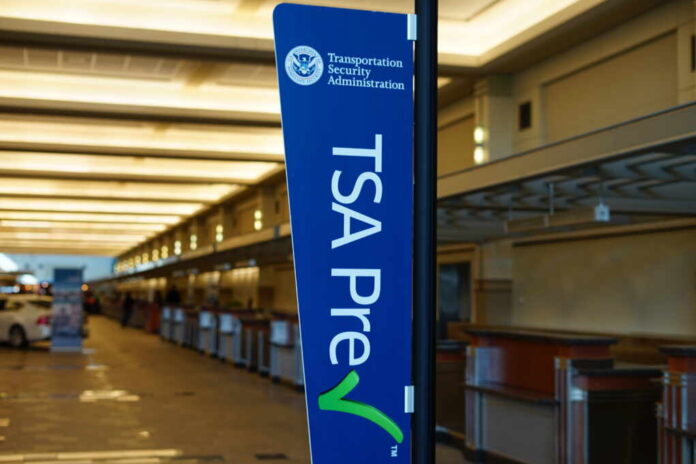
Scammers have escalated their tactics, targeting travelers with convincing fake TSA PreCheck sites to steal fees and personal data.
Story Highlights
- Phishing scams trick travelers into paying fraudulent TSA PreCheck fees.
- Fake websites mimic official TSA branding to steal personal data.
- Legitimate TSA PreCheck applications never require online payment.
- Travelers must use tsa.gov for authentic PreCheck enrollment.
Scammers Exploit PreCheck Enrollment Process
Cybercriminals have launched sophisticated phishing scams targeting U.S. travelers seeking TSA PreCheck enrollment. These fraudsters create fake websites and send emails or texts that closely mimic official TSA communications, leading victims to unknowingly enter personal and financial information. This surge in scams has resulted in identity theft and financial loss, with the key protection being the fact that first-time TSA PreCheck applications do not require online payment.
In recent months, reports of these scams have increased significantly. The Transportation Security Administration (TSA) has issued urgent warnings emphasizing the need for travelers to be vigilant and to only use the official tsa.gov domain for PreCheck applications. The agency highlights that both new applicants and those seeking renewals are at risk of falling victim to these scams.
Warnings and Guidance from Authorities
To combat the ongoing threat, the TSA and the Federal Trade Commission (FTC) have been actively issuing consumer alerts. These alerts advise individuals to avoid clicking on links in unsolicited emails or texts and to report scams through official channels. The TSA has made it clear that the only legitimate enrollment portal for PreCheck is tsa.gov, and first-time applicants should never be asked to make online payments.
These scams are not limited to TSA PreCheck. Similar fraudulent activities have targeted passport and visa applicants, exploiting the urgency and unfamiliarity many travelers have with digital government service procedures. The FTC and other agencies are working to educate the public and minimize the impact of these scams.
Impact on Travelers and Government Services
The short-term impact of these scams includes financial loss and identity theft for victims, as well as disrupted travel plans and increased anxiety among travelers. In the long term, these scams could erode trust in digital government services and lead to broader identity theft and financial fraud. This situation creates an increased burden on government agencies and financial institutions to prevent fraud and protect consumers.
As scammers continue to develop more sophisticated methods, it becomes increasingly challenging for authorities to keep up. Despite ongoing public education efforts, enforcement against scam sites remains difficult due to their rapid proliferation and international origins. As a result, there is a growing demand for stricter regulation of online government service applications and enhanced cybersecurity measures.
Sources:
Fraud & Cybersecurity Awareness
Fox News: TSA Warns of Phishing Scam