Pakistan is offering to host U.S.–Iran peace talks just as many Trump voters ask why America is sliding into another Middle East war in the first place.
Quick Take
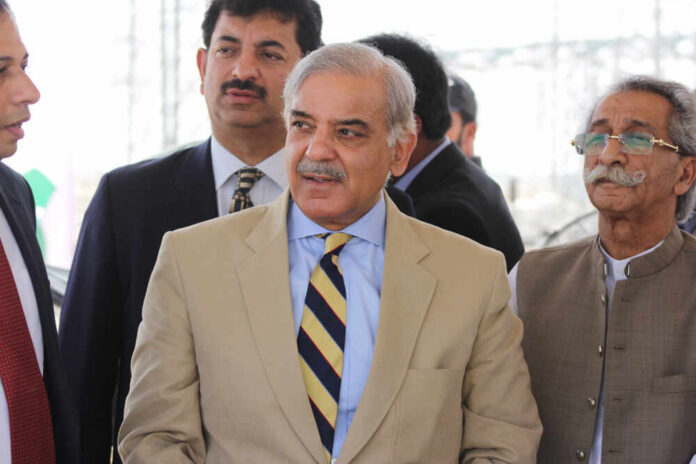
- Pakistan’s Prime Minister Shehbaz Sharif says Islamabad is “ready and honoured” to host talks between the U.S. and Iran to end the widening Gulf conflict.
- President Trump publicly signaled openness by sharing Sharif’s offer on Truth Social, but no final venue or format has been confirmed.
- Pakistani sources say a U.S. delegation could arrive within days, while Iran is described as “still not ready,” citing mistrust.
- Reports suggest Vice President JD Vance could lead the U.S. side, with Iran’s parliament speaker floated as a possible counterpart—both remain unconfirmed.
Pakistan Steps Forward as War Fatigue Hits the American Right
Pakistan’s government says it wants to facilitate diplomacy between Washington and Tehran as the U.S.-Iran conflict enters its fourth week and energy-security fears ripple across the region. Prime Minister Shehbaz Sharif’s March 24 offer frames Islamabad as a neutral host “subject to concurrence” by both sides. For Americans watching prices and instability rise, the bigger question is whether this becomes a serious exit ramp—or another round of open-ended commitments with unclear objectives.
Trump’s second-term coalition is split in a way the political class still struggles to read. Many MAGA voters back strength and deterrence, but they also remember decades of “one more mission” logic that turned into trillion-dollar nation-building and expanding federal power at home. The research available here focuses on diplomacy, not domestic policy, but the political reality is plain: any further escalation will be judged through the lens of broken promises to avoid new wars.
What We Actually Know: Signals, Backchannels, and Unconfirmed Delegations
Pakistan’s offer did not appear out of nowhere. Reports describe backchannel mediation involving Pakistan alongside Egypt and Turkey, with contacts touching U.S. Special Envoy Steve Witkoff and Jared Kushner. Pakistan’s military chief, Field Marshal Asim Munir, reportedly spoke with Trump on March 23, one day before Sharif’s public statement. Trump also announced a five-day pause on threatened strikes against Iranian power plants, citing productive conversations with Tehran.
At the same time, key pieces remain unverified or fluid. Pakistani foreign ministry sources reportedly said a U.S. delegation could arrive within “a day or 2,” but those same reports also say Iran is “still not ready,” pointing to mistrust. That mismatch matters because it suggests public optimism and private hesitation are moving at different speeds. Without official confirmation from Washington or Tehran on the venue and the negotiating structure, the most responsible read is that exploratory groundwork is underway, not that a deal is imminent.
The Stakes: De-escalation, Energy Risk, and the Cost of Drifting Strategy
The immediate strategic value of talks is de-escalation—especially around energy infrastructure and shipping lanes in the Gulf. The conflict’s spillover potential creates clear, near-term risks for American households through higher energy costs and broader price pressures. Pakistan’s pitch is that a hosted dialogue could help stop the war and reduce volatility. That aim is practical, but it also raises a conservative concern: diplomacy works best when U.S. goals are narrow, explicit, and tied to enforceable commitments.
It also point to longer-term issues that could land on the table, including a possible nuclear arrangement. That is where many conservative voters will demand clarity. Americans can support preventing a nuclear-armed adversary while still rejecting vague nation-shaping projects or undefined security guarantees. If talks proceed, the public will need more than slogans: What does “success” look like, what ends U.S. involvement, and what commitments—military, financial, or political—are being made without a vote?
Who Might Be in the Room—and Why That Matters for Accountability
Reports suggest Vice President JD Vance may lead the U.S. delegation, with Iran’s parliament speaker Mohammad Bagher Ghalibaf mentioned as a possible Iranian representative. Those names are not confirmed, but the implication is significant: sending the vice president would elevate the talks and signal urgency. It would also raise the bar for transparency back home. With the electorate already wary of mission creep, any negotiating track tied to the war should come with clear lines of authority and public accountability.
Pakistan’s role is also layered. Islamabad is presenting itself as a bridge because it maintains channels with both Washington and Tehran, and its officials emphasize diplomacy as longstanding policy. That may help open doors, but it does not guarantee outcomes. Americans should treat this as a potential off-ramp worth testing, while insisting that any settlement protects U.S. interests, avoids unconstitutional drift into permanent war footing, and prevents a repeat of past “temporary” deployments that never seem to end.
Sources:
Pakistan to facilitate US-Iran talks: Sharif
Pakistan offers to host potential US-Iran talks
Trump appears to have approved Pakistan PM Sharif’s offer to host US-Iran talks
JD Vance may lead US in potential Iran peace talks in Pakistan: Report
Shehbaz Sharif: Pakistan ready to host talks between the US and Iran
Pakistan’s deep concern over the ongoing developments in the Middle East