A soldier’s haunting memories of napalm use during the Tet Offensive reveal the grim realities of the Vietnam War, challenging the ethics of chemical warfare.
Story Highlights
- Firsthand account from a Vietnam veteran on napalm’s devastation.
- The Tet Offensive marked a turning point in the Vietnam War.
- High casualty rates and psychological impacts on soldiers and civilians.
- Shift in American public perception and policy on the Vietnam War.
Veteran’s Harrowing Experience with Napalm
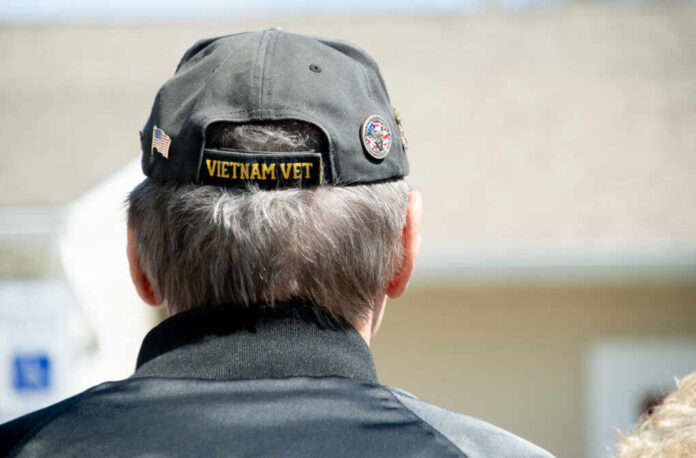
A Vietnam War veteran, drafted in 1967, vividly recalls the devastating impact of napalm during the Tet Offensive in January 1968. Napalm, a gel-like incendiary weapon, caused indiscriminate destruction, affecting both military targets and civilians. The veteran describes witnessing entire areas engulfed in flames, leaving a lasting psychological scar. His testimony highlights the moral and ethical concerns that arose from using such weapons, questioning the broader implications of chemical warfare on both soldiers and civilians.
The Tet Offensive, launched on January 30-31, 1968, by North Vietnamese and Viet Cong forces, was a massive military campaign aimed at demoralizing U.S. and South Vietnamese forces. The offensive targeted over 100 towns and cities, making it one of the largest assaults of the Vietnam War. Despite the U.S. military’s defensive efforts, the surprise attack caught many off guard, leading to heavy casualties and a significant strategic shift. This event marked a pivotal moment in the war, altering the perception of the conflict’s progress.
The Tactical and Human Impact of the Offensive
The Tet Offensive resulted in substantial casualties on both sides, with North Vietnam and the National Liberation Front (NLF) suffering an estimated 50,000-60,000 deaths, while U.S. and South Vietnamese forces experienced fewer losses. The extensive use of napalm and other weapons during the offensive contributed to civilian casualties and displacement, particularly in the Battle of Huế. These events underscored the brutal realities of war and the ethical dilemmas faced by those involved in combat operations.
The offensive’s psychological impact extended beyond the battlefield. In the United States, the Tet Offensive fueled anti-war sentiment and increased public scrutiny of the war effort. As images and stories from the offensive reached the American public, confidence in a quick resolution to the conflict waned. This shift in perception played a crucial role in shaping U.S. policy decisions, ultimately influencing the nation’s military strategy in Vietnam.
‘I Never Want to See it Again.’ Vietnam Soldier Recalls Deadly Napalm, Tet Offensive | https://t.co/dSSM3KvQvm https://t.co/lDRC3GspsB
— Deen Coldwell III (@deen_iii) December 31, 2025
Legacy and Reflection
The Tet Offensive’s legacy lingers in the memories of those who witnessed its horrors. The use of napalm and the resultant devastation remain contentious issues, reflecting the complex moral landscape of wartime decisions. For the veteran recounting his experiences, the memories of that period serve as a reminder of the human cost of war and the enduring impact of military actions on both individuals and nations. As history reflects on the Vietnam War, the lessons learned continue to inform contemporary discussions on military ethics and international conflict.
Sources:
Wikipedia (Tet Offensive)
VWAM Vietnam War – A Memoir
Stacker Timeline
Military.com