When a congressional frontrunner is quietly earning from a defense contractor tied to disturbing abuse allegations, it reinforces the sense that political insiders play by a different set of rules than everyone else.
Story Snapshot
- Bronx Democrat Michael Blake is running in a heated primary while working for a defense-sector firm linked to executive André Gudger, who has faced domestic abuse allegations.
- Reporting shows Blake privately earned from this contractor even as he criticized an opponent’s military-industry investments. [1]
- Available evidence does not show Blake engaged in or knew of any alleged abuse, raising the question of how far “guilt by association” should go. [1][2]
- The episode highlights how both parties’ candidates often juggle undisclosed business ties while voters across the spectrum feel ethics rules never really touch the political class.
How a Bronx Primary Turned Into a Story About Business Ties and Abuse Claims
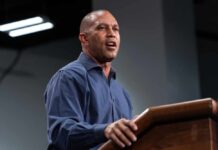
New reporting on Bronx congressional candidate Michael Blake describes how the Democrat, now locked in a tough primary, has long maintained a professional relationship with a defense contractor closely associated with executive André Gudger, who has faced domestic abuse allegations. [1][2] Coverage portrays Blake as both a critic of defense-industry entanglements and a quiet participant in that same world, a combination that lands awkwardly in a political climate already saturated with mistrust of elites and backroom deals. [1]
Reporters at New York Focus detailed how Blake earned income through work for a defense contractor even while publicly blasting Representative Ritchie Torres for his investments in firms that profit from military contracts. [1] Separate coverage framed the story more sharply, stressing that Blake’s business partner has been accused of violent behavior in his personal life. [2] Together, those accounts transformed an otherwise local primary into a national example of how candidates’ side jobs and consulting relationships can carry heavy ethical baggage.
What the Evidence Actually Shows — and What It Does Not
The available reporting confirms a professional tie between Blake and a defense-sector business linked to Gudger, but it does not show that Blake participated in, witnessed, or enabled any abuse. [1][2] Articles rely on secondary sources and public framing rather than police reports, court records, or sworn testimony describing the underlying allegations in detail. [2] The stories also do not establish when Blake began working with Gudger relative to when the accusations surfaced, leaving open whether he reasonably could have known about them. [1][2]
Coverage similarly does not present documentary proof that the abuse allegations against Gudger were substantiated in court, dismissed, settled, or withdrawn; it only reports that such claims exist and have been described as disturbing. [2] That evidentiary gap matters for anyone trying to judge Blake’s ethics fairly, because it is one thing to knowingly align with someone found liable or guilty, and another to work with someone facing unproven accusations reported largely through political and media channels. Based on what is public today, the case against Blake is about optics and judgment, not demonstrated complicity. [1][2]
Association Politics in an Era of Deep Distrust
This fight over Blake’s ties fits a broader pattern in modern campaigns where opposition research digs not only into a candidate’s record, but into every client, donor, and employer they have touched. [1][2] In a crowded primary, critics know that raising doubts about a rival’s associates can be enough to shift a few percentage points of support, especially when the allegations involve violence or abuse, which understandably triggers strong reactions among voters. That is classic association politics: stain an opponent by highlighting who pays them.
For many Americans on both the right and the left, episodes like this reinforce a common conclusion: the details may differ, but political insiders keep weaving themselves into lucrative networks, then only disclose what they must when reporters catch up. Voters already angry about double standards in Washington see yet another example of a candidate saying one thing about ethics and war profiteering while doing something very different off camera. [1][2] Whether or not Blake did anything legally wrong, the controversy underscores why trust in both parties keeps eroding.
Sources:
[1] Web – Bronx House Candidate Had Shadow Career at Defense Contractor
[2] Web – Candidate in heated Dem primary has business ties to exec with …