A controversial decision to pull a ’60 Minutes’ segment on Venezuelan deportations has spotlighted tensions between media integrity and political influence.
Story Highlights
- Bari Weiss pulled a ’60 Minutes’ segment on Trump-era deportations for more reporting time.
- The segment, airing amid NFL playoffs, covered harsh conditions at El Salvador’s CECOT prison.
- Critics argue the decision was politically motivated to appease Trump.
- The story’s broadcast faced internal backlash and accusations of censorship.
Segment Pull Sparks Controversy at CBS
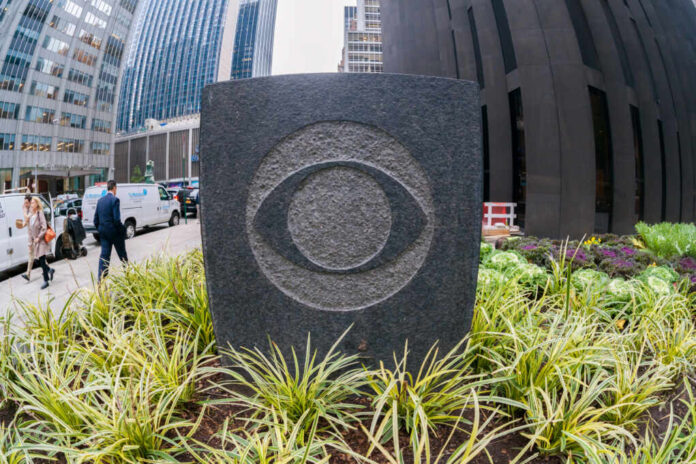
CBS News found itself at the center of controversy after Bari Weiss, newly appointed Editor-in-Chief, pulled a ’60 Minutes’ segment investigating the Trump administration’s deportation of Venezuelan migrants to El Salvador’s CECOT prison. The decision was criticized as politically motivated, with Weiss citing the need for additional White House input. The segment’s removal just before its scheduled airing fueled accusations of political interference, raising questions about media independence in an era of heightened executive scrutiny.
Despite internal backlash, the segment aired on January 18, 2026, during a competitive NFL playoff slot. It featured interviews with deportees alleging abuse and highlighted the harsh conditions at CECOT. The Trump administration declined on-camera interviews, though their statements were included. The segment’s airing after revisions, but with no new interviews, sparked debates over the role of corporate influence in editorial decisions, reflecting broader concerns about media bias and the pressures of operating under the Trump administration.
WATCH: This is a short clip from the 60 Minutes segment CBS pulled after it exposed Trump’s deportation pipeline to a foreign torture prison.
The full video is already live on my site.
They tried to bury it. We preserved it.This is what they didn’t want seen. pic.twitter.com/pDWUktjs4J
— Brian Allen (@allenanalysis) December 23, 2025
CBS Faces Internal and External Pressures
The saga underscored the complex power dynamics within CBS. Weiss, lacking TV news experience, faced criticism from veteran journalist Sharyn Alfonsi, who had reported the segment. Alfonsi described the pull as “politically motivated” in an email to colleagues. Paramount’s CEO, David Ellison, had appointed Weiss amid broader corporate strategies, including a major merger requiring regulatory approval. This backdrop of corporate interests and political tensions highlighted the precarious balance media organizations must navigate between maintaining journalistic integrity and satisfying external pressures.
Critics of the pull decision argue that it sets a dangerous precedent for editorial interference, particularly in stories critical of government policies. Supporters of Weiss’s decision claim that ensuring comprehensive reporting, including official responses, is essential. However, the timing and context of the decision—amid high-stakes corporate maneuvers and longstanding Trump-CBS tensions—fueled skepticism about the underlying motives, igniting discussions on media accountability and transparency.
Implications for Media Independence
The incident has broader implications for the media industry, revealing vulnerabilities to executive influences and highlighting the challenges of maintaining independence in a politically charged environment. As the story unfolds, it serves as a reminder of the critical role of the press in holding power to account and the importance of safeguarding journalistic freedom. The eventual airing of the segment, with its detailed examination of conditions at CECOT, continues to resonate as a significant moment in the ongoing dialogue about media integrity and the responsibilities of news organizations in the face of political and corporate pressures.
The episode has left a lasting mark on CBS, with potential long-term effects on its editorial policies and public perception. As the media landscape evolves, the need for transparency and accountability remains paramount, ensuring that the press can fulfill its role as a watchdog without undue influence from external entities.
Sources:
LA Times: ’60 Minutes’ Runs Inside CECOT Story Previously Shelved by Bari Weiss
Politico: ’60 Minutes’ Airs Report on Trump Deportations That Was Suddenly Pulled a Month Ago