A violent criminal who should have been behind bars instead walked free on bond to kidnap and murder a 19-year-old Alabama college student, exposing catastrophic failures in a justice system that prioritized leniency over public safety.
Story Snapshot
- Ibraheem Yazeed, charged with capital murder in Aniah Blanchard’s 2019 death, finally faces trial after being free on $295,000 bond for prior kidnapping and attempted murder charges.
- Blanchard was abducted from an Auburn gas station, her body discovered weeks later with a fatal gunshot wound, while Yazeed was among multiple suspects arrested.
- Prosecutors are seeking the death penalty against Yazeed, who pleaded not guilty despite witness testimony and forensic evidence linking him to the crime.
- The case sparked Alabama’s “Aniah’s Law,” a ballot measure addressing bail reform concerns that resonate with families devastated by preventable violence.
Bail System Failure Enabled Tragedy
Ibraheem Yazeed was walking Alabama streets in October 2019 despite facing charges for hotel robbery, kidnapping, and attempted murder from earlier that year. The 30-year-old Montgomery man had posted $295,000 bond, a decision that allowed him freedom while awaiting trial for violent felonies. This isn’t just bureaucratic incompetence—it’s a systemic betrayal of citizens who expect their government to protect them from dangerous criminals. Yazeed’s release exemplifies the reckless leniency that plagued pre-Trump criminal justice policies, where offenders’ rights trumped community safety. Aniah Blanchard paid the ultimate price for this failure.
Night of Terror at Auburn Gas Station
Aniah Blanchard, a 19-year-old college student from Homewood, stopped at a Chevron station in Auburn around midnight on October 23, 2019. Surveillance footage captured her entering the convenience store, but what happened next remains partially obscured. Her roommate received messages about being with someone named “Eric” at 11:40 p.m., then all phone activity ceased near a Clarion Inn by 11:47 p.m. Auburn Police received a missing person report the following day. By October 25, authorities located her black SUV abandoned in a Montgomery apartment complex, bearing damage and forensic evidence indicating a violent struggle—the kind of evidence that tells investigators immediately they’re dealing with foul play, not a voluntary disappearance.
Multi-Agency Manhunt and Arrests
Law enforcement mobilized a massive response, forming a federal task force on October 30 involving Auburn Police, FBI, Department of Homeland Security, and Alabama’s Department of Forensic Sciences. Rewards surpassed $100,000 by November 1, and Texas EquuSearch joined search efforts. Authorities issued a kidnapping warrant for Yazeed on November 7, leading to his Florida arrest by U.S. Marshals. Accomplices Antwain “Squirmy” Fisher, who had prior convictions for drug-related murder, was arrested November 22 for evidence disposal. David Johnson Jr. faced charges three days later for hindering prosecution, allegedly allowing use of his father’s residence post-crime. This wasn’t a lone wolf attack—it was enabled by a network willing to shield a violent predator from consequences.
Discovery and Capital Murder Charges
Aniah Blanchard’s body was discovered in Macon County on November 27, 2019. The medical examiner determined her cause of death was a gunshot wound. Prosecutors immediately upgraded Yazeed’s charges to capital murder, a decision reflecting the heinous nature of killing during kidnapping and robbery. Yazeed was indicted in November 2022 on three capital murder counts: during kidnapping, during robbery, and with the victim inside a vehicle. He pleaded not guilty in March 2023, but prosecutors announced their intent to seek the death penalty. A witness reportedly heard Yazeed confess to shooting Blanchard after a struggle. Detective testimony at a June 2020 preliminary hearing detailed how her phone powered off near the hotel, corroborating the abduction timeline and contradicting any voluntary interaction theory.
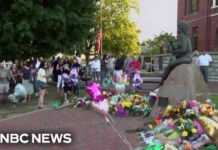
Yazeed remains held without bond in Lee County Jail, where authorities placed him in solitary confinement due to threats from other inmates—a rare moment of justice within walls, even if delayed outside them. His attorneys secured a gag order limiting public statements, while Blanchard’s family, including father Elijah, organized vigils attended by hundreds and disputed media speculation about dating app involvement. The case galvanized Alabama communities around bail reform, ultimately contributing to legislative changes aimed at preventing similar tragedies. For conservatives who value law and order, this case underscores a fundamental principle: dangerous criminals belong behind bars, not on bail waiting for their next victim. Common sense isn’t controversial—it’s survival.
Sources:
Timeline of Aniah Blanchard Case – ABC 33/40