Tucker Carlson’s new “World War is coming” warning is ricocheting across conservative media—raising a hard question for Trump voters: is this a necessary reality check on runaway intervention, or another panic cycle built on shaky specifics?
Quick Take
- Carlson’s “War Is Coming Soon” video argues global conflict risks are rising and ties the warning to Venezuela’s Nicolás Maduro and wider geopolitical flashpoints.
- His credibility is complicated by a widely criticized 2025 claim that Trump would announce a Venezuela invasion—a claim that never materialized.
- Analysts cited in the research argue Russia’s nuclear threats have looked less credible after Ukraine crossed Moscow’s stated “red lines” without a nuclear response.
- A separate, high-profile feud between Carlson and Mark Levin highlights a deep split on the Right over Iran and “regime change” pressure.
Carlson’s “War Is Coming Soon” Message—and Why It’s Spreading
Tucker Carlson’s recent video, “Tucker: War Is Coming Soon,” frames today’s tensions as a potential on-ramp to a broader world war. The research summary says Carlson connects his warning to recent events involving Venezuela’s Nicolás Maduro and urges viewers toward actions meant to avert a wider conflict. That framing lands in a country exhausted by decades of costly foreign entanglements, and it’s gaining traction precisely because it speaks to that war-fatigue mood.
Carlson’s angle also fits a larger post-Iraq skepticism many conservatives share: distrust of “forever wars,” suspicion of Washington’s interventionist reflexes, and anger at elites who never seem to pay a price when predictions go wrong. Still, the research does not provide a full transcript or an exact date for the Maduro-related trigger, which limits what can be verified beyond the video’s stated premise and its broad geopolitical themes.
Credibility Check: The Venezuela Invasion Claim That Didn’t Happen
Any serious assessment of Carlson’s new warning has to acknowledge his prior record on Venezuela. The research cites a December 16, 2025 episode where Carlson claimed President Trump would announce a U.S. military invasion of Venezuela that evening, based on what he said were congressional briefings. No such announcement occurred. That episode matters now because it shows how quickly “imminent war” rhetoric can outpace confirmed facts, even inside conservative media ecosystems.
For Trump supporters who prioritize constitutional government and honest accountability, that history creates a practical standard: dramatic claims require hard evidence, not vibes, secondhand chatter, or escalating speculation. The research also notes backlash over that 2025 claim, reinforcing that skepticism didn’t just come from the Left. If “war is coming” is the message, the burden is on the messenger to separate confirmed policy signals from influencer-driven alarm.
Russia’s Nuclear Threats: Loud Rhetoric, Mixed Evidence
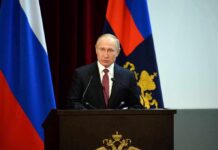
Russia’s nuclear posturing is one of the recurring fear-drivers in this debate. The research points to analysis arguing that Moscow’s threats have “rung hollow” at key moments, especially after Ukraine crossed stated Russian “red lines” during a 2024 incursion into Russia’s Kursk region without triggering nuclear use. That doesn’t make escalation impossible, but it does weaken the idea that nuclear war is automatically around the corner whenever the Kremlin threatens it.
For conservatives focused on national strength and sober deterrence, that distinction matters. America can maintain credible defense without letting adversaries manipulate U.S. public opinion through nuclear scare tactics. The research also flags criticism that Carlson’s earlier Moscow-related content amplified Russian nuclear narratives. If that criticism is accurate, it underscores the need for Americans to weigh whether high-visibility commentary is clarifying risks—or inadvertently advertising an adversary’s propaganda themes.
The Right’s Foreign-Policy Split: Carlson vs. Levin on Iran
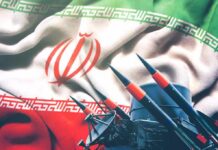
The research describes a sharp conservative divide over Iran, illustrated by Carlson’s clash with Mark Levin after a 2026 interview involving Trump envoy Steve Witkoff. Carlson publicly attacked Levin’s case for war, calling key claims misleading, while Levin reportedly pressed the White House toward tougher action. The research also notes Iran talks stalling around a “zero enrichment” demand, a detail that helps explain why hawks and restraint advocates keep talking past each other.
What This Means for Trump’s Second-Term Agenda
President Trump sits at the center of these pressures: restraint-minded influencers warning about catastrophic war on one side, and intervention-minded voices arguing that forceful action prevents bigger threats on the other. The research suggests Carlson’s large platform can shape conservative opinion quickly, but also warns that high-reach messaging can magnify misinformation when predictions fail. With limited publicly confirmed detail about Maduro’s “capture” in the provided materials, readers should treat sweeping timelines cautiously and demand verifiable sourcing.
For a conservative audience that watched the Biden-era foreign-policy bureaucracy expand and the national debt climb, the practical takeaway is simple: “America First” requires discipline. It means resisting open-ended commitments, scrutinizing claims before backing escalation, and insisting that any use of force aligns with U.S. interests, lawful authority, and achievable outcomes. Carlson’s warning may channel real public anxiety, but the research supports one clear rule—don’t confuse viral certainty with confirmed reality.
Sources:
Tucker Carlson warns of WWIII, but Russia’s nuclear threats ring hollow
Tucker Carlson faces backlash over Venezuela war claim