With the Senate headed for a filibuster showdown, Republicans are betting that requiring proof of citizenship to vote is the election-integrity line Democrats won’t cross.
Story Snapshot
- Sen. Eric Schmitt says he is working “closely” with President Trump on a key amendment to the SAVE America Act ahead of floor action this week.
- The bill targets federal voter registration rules by requiring proof of U.S. citizenship and elevating election security tools like photo ID.
- A procedural test vote is scheduled for March 17, 2026 to begin debate; final passage still faces the Senate’s 60-vote filibuster threshold.
- Republicans are split over whether to keep the filibuster intact or “nuke” it to pass Trump-backed priorities.
Trump and Schmitt move to tighten federal voter registration rules
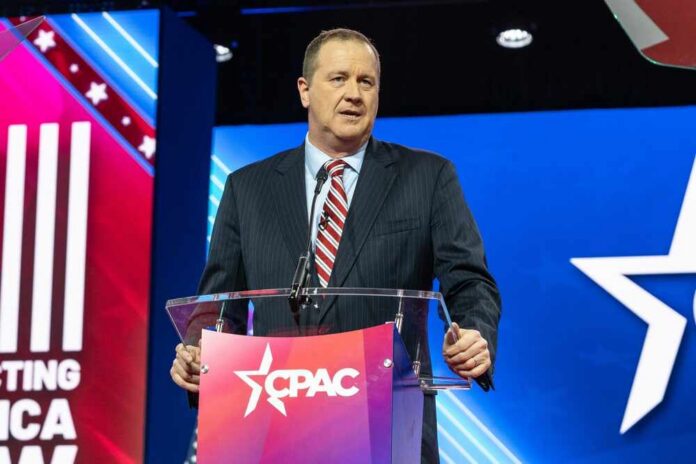
Sen. Eric Schmitt (R-MO) used a Fox News appearance to preview what he called a critical amendment to the SAVE America Act, saying he has been working directly with President Donald Trump as the bill heads to the Senate floor. The core policy thrust is straightforward: require proof of U.S. citizenship for federal voter registration and strengthen election security measures that supporters say help deter improper ballots before they are cast.
🙏🙏🙏🙏🙏🙏🙏🙏🙏🙏🙏🙏🙏🙏🙏🙏🙏🙏
BIG UPDATE: Sen. Eric Schmitt Teases Critical Amendment to SAVE America Act — Says He’s Working “Closely” With Donald Trump Ahead of Senate Floor Showdown This Week | The Gateway Pundit | by Jim Hᴏft https://t.co/TqHcjQ4hXX
— sassywindsor (@sassywindsor) March 17, 2026
The bill, formally titled the Safeguard American Voter Eligibility Act, is designed as an update to the 1993 National Voter Registration Act. Supporters argue that the current system makes eligibility enforcement difficult after the fact, especially when disputes arise about how ballots were issued and verified. Schmitt has also pointed to stricter guardrails around mail-in voting, with limited exceptions, as part of a broader push to standardize confidence in federal elections.
Senate math: debate can start with 51 votes, but passage is another fight
Senate leadership scheduled a test vote for the afternoon of March 17 to initiate debate, a step that can clear with a simple majority. Republicans hold a 53-seat majority, and Vice President JD Vance could break a tie if needed. Getting the bill across the finish line is harder: under current Senate rules, opponents can force a 60-vote cloture hurdle, meaning GOP leaders must either win Democratic support or change the rules.
That political reality is why the coming week is framed as a floor showdown rather than a guaranteed win. Plans discussed publicly include extended debate that could run around the clock, while leadership tries to keep control of the amendment process. Majority Leader John Thune has signaled interest in robust debate without opening the door to unlimited amendments, a procedural balancing act that matters because a bill can be slowed—or reshaped—by a chaotic floor process.
Filibuster pressure grows inside the GOP as Trump ties other priorities to SAVE
Trump’s involvement is not limited to messaging. It indicates the president has treated the SAVE Act as a touchstone issue and has used leverage by conditioning movement on other legislation. That approach intensifies pressure on Senate Republicans who want action now but disagree on tactics. Some GOP senators have publicly urged leadership to find a way to pass the bill quickly, while others warn that blowing up Senate rules could backfire the next time Democrats control the chamber.
The internal fight is less about whether election integrity matters—Republicans appear broadly aligned there—and more about what price is worth paying to get a national standard. Calls to “nuke” the filibuster highlight the frustration many voters share after years of watching Washington stall popular-sounding reforms. At the same time, keeping the filibuster is often defended by conservatives as a brake on federal overreach, especially when power inevitably swings back.
What the SAVE America Act would change—and what remains unclear
Based on public descriptions of the bill’s intent, the SAVE America Act would require proof of citizenship for federal election voter registration and promote tools such as photo identification requirements, with supporters also arguing for tighter limits on mail-in voting. Schmitt has described the issue as broadly popular, including among Democrats, but those polling claims are presented as his characterization rather than independent data.
Key details of the teased amendment are not fully public in the provided material, which limits any definitive read on how it changes the bill text or what compromises, if any, are being considered to attract votes. Democrats are opposing the effort on “voter suppression” grounds, and the next signal to watch is whether opposition hardens into a unified filibuster. Either way, the upcoming procedural votes will indicate whether Washington is prepared to treat citizenship verification as a baseline for federal elections.
Sources:
https://legiscan.com/US/bill/SB128/2025