A new wave of anti-Islam rhetoric is surfacing in the Texas Republican primaries, threatening to redefine American identity and values.
Story Highlights
- Texas Republicans escalate anti-Islam rhetoric as a campaign strategy.
- Key GOP figures launch ads targeting Sharia law and Muslim immigration.
- Muslim advocacy groups decry these actions as coordinated hate speech.
- Governor Abbott’s executive order labels Muslim organizations as terrorists.
Escalation of Anti-Islam Messaging in Texas Primaries
In the heat of the 2026 Texas Republican primaries, a strategic escalation of anti-Islam rhetoric has taken center stage. GOP candidates, eager to rally their base, are amplifying fears of Sharia law and “Islamism” as core campaign themes. This approach has manifested in a series of provocative ads targeting perceived threats, such as Muslim immigration and developments like the East Plano Islamic Center. These tactics are seen as efforts to define American identity in opposition to these elements.
Anti-Islam rhetoric takes center stage in Texas Republican primary https://t.co/Gp90CyXVyq
— KSAT 12 (@ksatnews) January 26, 2026
Governor Abbott’s Executive Order and Its Implications
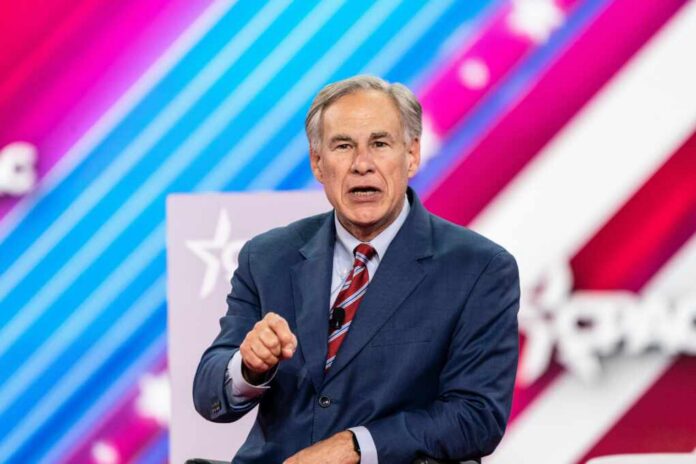
Governor Greg Abbott has played a pivotal role in this narrative by issuing an executive order in November 2025. The order designates organizations like the Muslim Brotherhood and CAIR as terrorist entities, further fueling the anti-Islam rhetoric. This policy action underscores a significant shift from past GOP strategies, bringing state-level coordination to the forefront. The order has been criticized by Muslim advocacy groups, who argue it undermines civic engagement and labels legitimate organizations as extremist.
Amid these developments, candidates like Aaron Reitz have intensified their rhetoric. Reitz’s latest ad claims that politicians have “imported millions of Muslims,” leading to terrorism and Sharia “illegal cities.” This narrative, while stirring controversy, seeks to consolidate a voter base concerned with cultural erosion and national security.
Impact on Community and Political Landscape
The impact of this rhetoric is profound, affecting Texas’s Muslim communities and the broader political landscape. Texas Muslims face heightened stigma and barriers to civic participation, as organizing efforts are increasingly labeled as extremist. This rhetoric also threatens to alienate conservative Muslims, who may reconsider their political loyalties amidst such divisive narratives.
In the short term, these strategies may polarize GOP primaries, boosting turnout among those driven by fear. However, the long-term implications suggest a normalization of anti-Muslim policies, eroding trust in institutions and potentially chilling Muslim-led developments and charitable activities. As the primary season progresses, the rhetoric’s reverberations will likely continue to influence both state and national conversations on immigration and assimilation.
Sources:
Texas Tribune: Texas Republicans escalate anti-Muslim rhetoric
Politico: Republicans intensify Sharia law rhetoric in Texas primary
MLFA: Texas Muslim Republicans reconsider party loyalty amid rhetoric
KSAT: Regional coverage of North Texas events