New York City’s latest blizzard hiring push is raising a simple question conservatives have asked for years: why does the city demand strict ID proof to shovel snow for pay, but not to cast a ballot that decides the nation’s future?
Quick Take
- NYC’s sanitation department is recruiting emergency snow shovelers and requires multiple identification documents, plus a Social Security card.
- NYC voting rules generally do not require photo ID for most registered voters under New York State law.
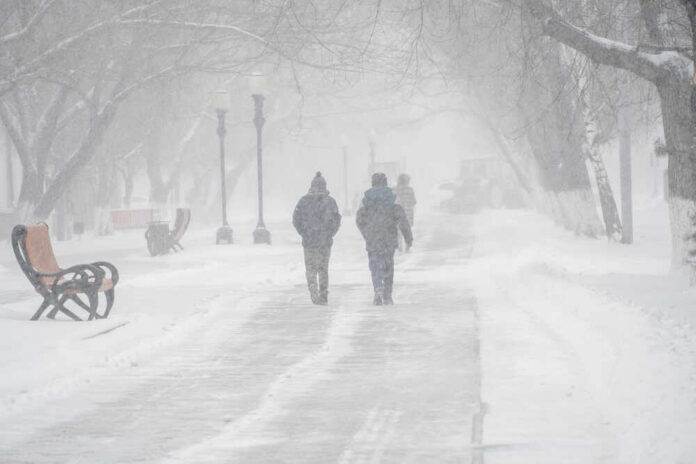
- Gov. Kathy Hochul declared a State of Emergency as a rare blizzard warning hit the city with high winds and heavy snow forecasts.
- The documentation gap between hiring standards and election standards is fueling a renewed voter-ID debate.
DSNY’s emergency hiring comes with strict document checks
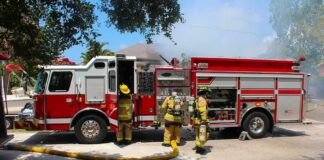
New York City’s Department of Sanitation opened emergency per-diem hiring for snow shovelers ahead of a major winter storm, targeting quick staffing to clear fire hydrants, bus stops, and other priority areas. The city’s eligibility list requires applicants to provide two small photos, two original forms of ID plus copies, and a Social Security card. The job pays roughly $19 to $28 per hour, reflecting the urgency and physical demands.
Those requirements are not unusual for payroll compliance and work eligibility verification, which typically includes identity and employment authorization checks. DSNY’s process also helps deter fraud and ensures the city can properly pay, tax, and track a short-term workforce mobilized during a public safety event. Even so, the very public nature of the list has become political fuel because it makes the city’s “show your papers” standard easy to see and easy to compare.
New York’s voting rules set a far lower bar for identity confirmation
New York State election law generally does not require photo ID for most voters who are already registered. First-time voters, depending on circumstances, can satisfy identification by providing one of several minimal identifiers such as a driver’s license number, a non-driver ID number, or the last four digits of a Social Security number. Voters who arrive without required documentation can be offered an affidavit ballot process, keeping the emphasis on access.
The contrast in practice is what’s driving the headline: a city that treats a temporary snow-shoveling paycheck as something that must be guarded with layers of documentation, while treating the act of voting—an act central to constitutional self-government—as something that can proceed with limited ID verification. The research provided does not show a direct quote from Mayor Zohran Mamdani about “not needing ID to vote,” but it does show that the city’s hiring checklist and the state’s voting framework collide in plain view.
The storm backdrop: emergency declarations and public safety stakes
Gov. Kathy Hochul declared a State of Emergency as forecasts warned of a rare blizzard event for New York City, with estimates ranging from roughly 10 inches up to more than 20 inches in some projections and wind gusts reported as high as 55 mph. Mayor Zohran Mamdani announced outreach teams intended to support vulnerable residents during the storm. The city’s practical concern is speed: snow removal delays can block ambulances, hinder firefighters, and bury hydrants.
Weather coverage also stressed the human risk of shoveling itself, including heart-attack dangers from overexertion in cold conditions. That risk is part of why the city recruits a surge workforce rather than relying solely on ordinary staffing. In other words, the policy goal—fast clearing of critical infrastructure—is straightforward. What remains unanswered in the available reporting is why election identity standards are defended as burdensome while emergency-work identity standards are treated as non-negotiable.
What this debate does—and doesn’t—prove based on the available facts
The reporting supports two clear facts at the same time: DSNY’s emergency hiring lists multiple ID requirements, and New York’s voting process generally does not require photo ID for most registered voters. The reporting does not provide evidence of a policy change, a legal challenge, or new fraud findings tied to either system. It also does not include a detailed response from DSNY on the political comparison, and it does not feature an election-administration expert weighing tradeoffs.
From a conservative perspective, the issue is less about snow and more about standards. Americans routinely show ID to fly, buy certain medications, enter secure buildings, and complete employment paperwork—because identity matters when systems can be exploited. When a major city can demand documentation for a temporary municipal job, voters understandably ask why similar seriousness is treated as controversial at the ballot box. That question is likely to keep resurfacing in national debates even as the blizzard passes.
With President Trump back in the White House in 2026 and election integrity still a live issue for many Americans, stories like this cut through because they are concrete and easy to verify. New York may argue its voting rules prioritize broad participation, and DSNY may argue its hiring rules satisfy legal and payroll realities. But the public still sees a mismatch: the city appears more demanding about who gets a snow-shoveling paycheck than who gets to help choose the leaders who control taxes, policing, borders, and constitutional rights.
Sources:
NYC seeks emergency snow shovelers for blizzard, requires IDs not needed to vote
NYC seeks emergency snow shovelers for blizzard, requires IDs not needed to vote
Voter ID shouldn’t be this controversial