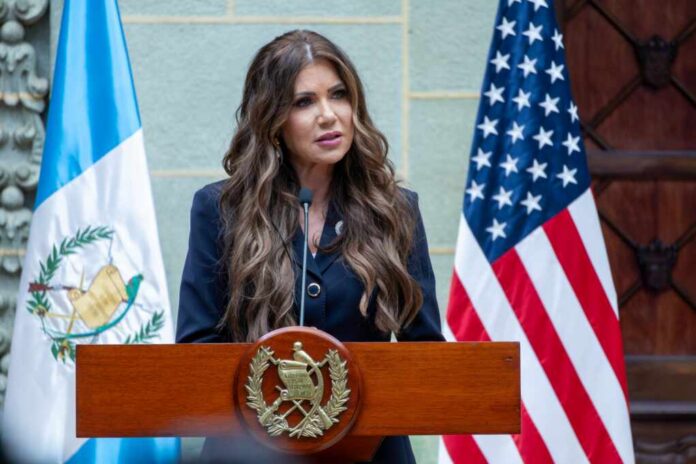
A federal judge has blocked the Trump administration from ending Temporary Protected Status for 350,000 Haitian immigrants, accusing Homeland Security Secretary Kristi Noem of racial hostility and defying constitutional constraints in a decision that halts what conservatives see as necessary enforcement of immigration law.
Story Snapshot
- U.S. District Judge Ana Reyes issued an 83-page ruling blocking the scheduled February 4 termination of TPS for Haiti, claiming Secretary Noem acted with “hostility to nonwhite immigrants”
- The Trump administration vows to appeal to the Supreme Court, calling the decision “lawless activism” that undermines executive authority to enforce temporary immigration programs
- Secretary Noem has terminated TPS for twelve countries affecting over 1 million people, with the administration arguing the 16-year Haiti designation became de facto amnesty
- The ruling maintains work authorization for 350,000 Haitians despite administration claims that conditions improved and multinational forces now combat gang violence
Federal Judge Overrides Executive Immigration Authority
U.S. District Judge Ana Reyes issued a comprehensive 83-page opinion on February 3, 2026, blocking Homeland Security Secretary Kristi Noem from terminating Temporary Protected Status for approximately 350,000 Haitian nationals. The judge granted a stay maintaining legal status and work authorization pending judicial review, directly contradicting the administration’s determination that conditions warranting protection no longer exist. Judge Reyes found it “substantially likely” that Secretary Noem preordained her decision based on racial animus rather than factual assessment, a serious accusation that essentially calls the administration’s immigration enforcement discriminatory. The termination was scheduled to take effect the following day.
Administration Defends Enforcement of Temporary Status Limits
The Trump administration maintains that Haiti’s TPS designation, activated following the 2010 earthquake and extended repeatedly for sixteen years, exemplifies how previous administrations transformed temporary protection into permanent amnesty. DHS Assistant Secretary Tricia McLaughlin announced plans to appeal directly to the Supreme Court, stating “Temporary means temporary and the final word will not be from an activist judge legislating from the bench.” The administration cited positive developments including authorization of multinational forces to combat gang violence as evidence conditions improved sufficiently for safe return. Secretary Noem has systematically terminated TPS for twelve countries, affecting over one million people including 600,000 Venezuelans and 160,000 Ukrainians, asserting executive authority to enforce statutory limits on temporary protections.
Judge’s Extraordinary Criticism Questions Constitutional Compliance
Judge Reyes employed unusually pointed language in her opinion, noting Secretary Noem “has terminated every TPS country designation to have reached her desk—twelve countries up, twelve countries down.” The judge acknowledged Noem’s First Amendment right to characterize immigrants harshly but stated she remains constrained by constitutional and statutory requirements to apply facts faithfully. Using a legal adage, Reyes concluded that Secretary Noem “does not have the facts on her side—or at least has ignored them. Does not have the law on her side—or at least has ignored it.” This represents extraordinary judicial intervention into executive immigration enforcement, with the judge essentially accusing a cabinet secretary of ignoring both factual evidence and legal requirements.
Constitutional Clash Over Immigration Enforcement Powers
The ruling exposes fundamental tensions between executive authority to control immigration and judicial oversight of constitutional compliance. The administration argues that turning lawful temporary residents into deportable individuals serves national interests and enforces congressional intent that TPS remain temporary. Judge Reyes countered that converting “352,959 lawful immigrants into unlawful immigrants overnight” creates greater disruption than maintaining current status. The statutory framework requires TPS continuation when life-threatening conditions persist unless the Secretary articulates well-reasoned national interests justifying termination. Haiti currently faces catastrophic gang violence displacing hundreds of thousands, with attorneys warning that terminated individuals face death from violence, disease, or starvation upon forced return to dangerous conditions.
This case represents one battle in the administration’s comprehensive immigration enforcement agenda. Secretary Noem has methodically terminated protections across twelve countries, with several terminations facing similar legal challenges in federal courts. The administration views these judicial interventions as activist judges substituting their policy preferences for legitimate executive decisions. Conservative supporters recognize that while conditions in Haiti remain dangerous, the sixteen-year extension of temporary status demonstrates how executive inaction transformed emergency protection into backdoor permanent residency. The Supreme Court appeal will determine whether federal judges can override executive immigration determinations based on disputed findings of discriminatory intent, potentially establishing precedent affecting the administration’s broader deportation agenda and future presidents’ immigration enforcement authority.
Sources:
Judge blocks administration from ending TPS protections for more than 350,000 Haitian immigrants – ABC News
Judge blocks Trump administration from ending TPS for hundreds of thousands of Haitian immigrants – WLRN