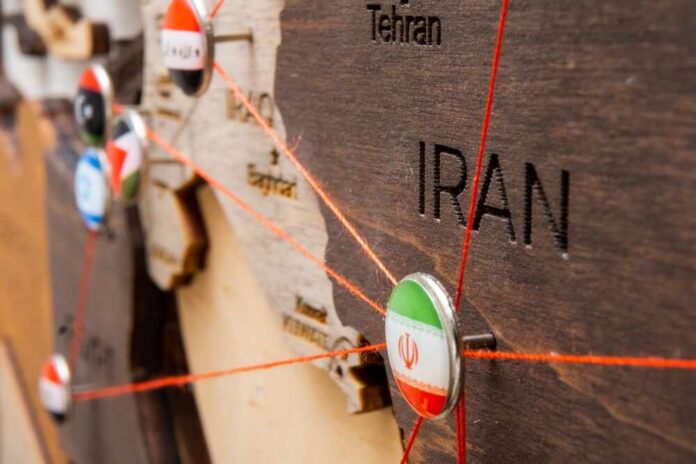
President Trump launched military strikes against Iran without congressional approval, exposing a telling split among Democrats who rushed to criticize the process while notably avoiding any defense of the terrorist-sponsoring regime.
Story Highlights
- Trump authorized U.S.-Israel joint strikes on Iran early Saturday, February 28, 2026, bypassing congressional authorization
- Democrats divided between procedural critics and regime opponents, with most refusing to defend Iran’s nuclear ambitions and terrorism
- Republicans unified in support, citing Iranian threats including thousands killed in protest crackdowns
- Bipartisan war powers resolutions now teed up for votes, though unlikely to restrain executive action
- International allies Canada and Australia back the operation as Iran faces potential regime collapse
Trump Acts After Iranian Regime Kills Thousands
President Trump ordered joint U.S.-Israel military strikes against Iran early Saturday morning after months of escalating tensions following the Iranian regime’s brutal crackdown on mass protests that killed thousands of its own citizens. Secretary of State Marco Rubio briefed the Gang of Eight just hours before the strikes commenced, with Armed Services Committees notified only after operations began. Trump announced the action via video, warning Americans that casualties may occur “as in war,” marking a significant escalation against a regime he had promised to confront forcefully since January.
Democrats Avoid Defending Terrorist Regime
The Democratic response revealed an uncomfortable truth for the party: while many criticized Trump’s failure to seek congressional authorization, virtually none would defend Iran’s terrorist-sponsoring regime. Senator John Fetterman broke ranks entirely, cheering Trump’s action as a path to “real peace.” Senator Ruben Gallego opposed troop involvement but stopped short of defending Iran. Even procedural hawks like Senator Tim Kaine, who called the strikes a “colossal mistake,” focused their criticism on constitutional process rather than defending the Islamic Republic’s nuclear ambitions or decades of American murders.
Constitutional Debate Highlights Limited Government Principles
The strikes reignited fundamental debates about war powers that should concern every American who values constitutional limits on government. Article I grants Congress alone the power to declare war, yet the 1973 War Powers Resolution allows presidents 60 days of military action post-notification. Bipartisan advocates including Republican Thomas Massie and Democrat Ro Khanna are pushing privileged resolutions demanding congressional votes. This represents a rare moment where constitutional conservatives and oversight-minded Democrats align on limiting executive overreach, though Republican majorities make restraint unlikely given June 2025 precedent when the Senate rejected limiting Iran strikes 53-42.
Regional Realignment Possible as Regime Faces Collapse
Senator Lindsey Graham predicted the strikes could trigger Iranian regime collapse and enable historic Saudi-Israel normalization, a transformation that would fundamentally reshape Middle East stability. The operation enjoys backing from key allies including Israel, Canada, and Australia, lending international legitimacy absent in many past interventions. Short-term risks include potential U.S. casualties and regional escalation, but long-term implications could liberate the Iranian people from nearly 50 years of Islamic Republic oppression. House Intelligence Chairman Rick Crawford expressed confidence in success, while critics like Representative Jim Himes warned of “war without endgame,” highlighting the genuine strategic debate beyond partisan positioning.
The Democratic split on Iran strikes exposes a party struggling to balance constitutional concerns with the political impossibility of defending a regime that murders protesters, sponsors terrorism, and pursues nuclear weapons. Republicans remain unified in supporting executive action against clear threats, while a small bipartisan coalition fights to restore congressional war powers regardless of which party controls the White House. This rare alignment on constitutional principles, combined with international support and potential for Iranian freedom, suggests Trump’s calculated risk may achieve what diplomacy could not: ending a terroristic regime that has threatened American security and murdered its own people for decades.
Sources:
Politico – Iran votes congress war powers
Politico – Iran strikes congress lawmakers trump
TPR – Iran strikes were launched without approval from congress deeply dividing lawmakers
National Review – Democrats strike oppositional pose to the Iran war