A Hall of Fame gatekeeping vote just handed Americans another reminder that elite committees can ignore obvious merit—and then refuse to explain themselves.
Story Snapshot
- Bill Belichick did not receive enough votes for first-ballot induction into the Pro Football Hall of Fame, despite a resume that includes six Super Bowl titles as a head coach.
- The 50-member selection committee requires 40 votes for first-ballot induction, and Belichick reportedly fell short of that threshold.
- President Donald Trump blasted the decision on Truth Social, calling it “ridiculous” and tying it to broader NFL leadership choices he dislikes, including kickoff rule changes.
- Reports indicated some voters weighed past controversies such as Spygate and Deflategate, while other reporting suggested “politics” may have been a factor—claims the Hall has not confirmed.
Belichick’s first-ballot miss triggers a credibility test for the Hall
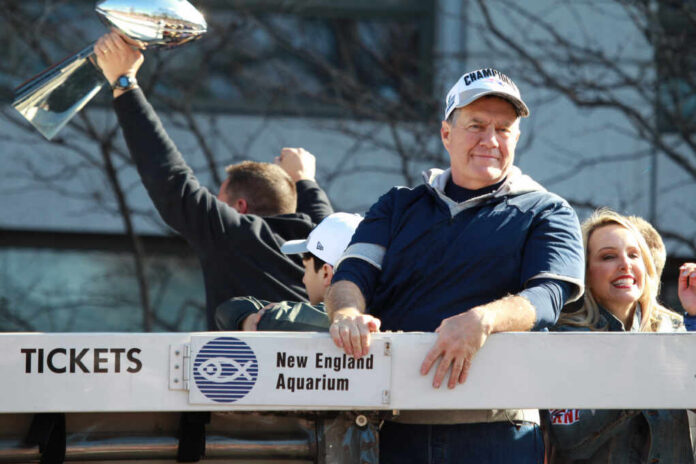
Bill Belichick, long associated with the New England Patriots dynasty, was notified on January 24, 2026 that he did not make the Pro Football Hall of Fame on the first ballot. The process is controlled by a 50-member selection committee, and first-ballot enshrinement requires 40 votes. Because the committee does not release vote totals or detailed explanations, fans are left with a simple outcome: a coach with a historic trophy case fell short, and no one has to say why.
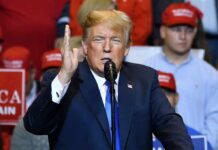
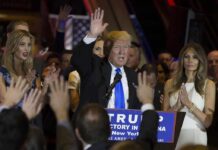
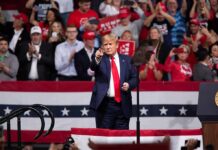
President Donald Trump injected national attention into what is usually a sports-only argument when he condemned the decision on Truth Social on January 28. Trump described the snub as “ridiculous” and explicitly connected it to broader frustration with NFL decision-making, criticizing the league’s revised kickoff format as “unwatchable” and labeling it the “Sissy” kickoff rule. Trump also argued the Hall result and the rule change came from the same mindset, pressing the idea that both should be “overturned,” even as the Hall process offers no formal appeal.
How the voting system concentrates power—and shields decision-makers
The Hall of Fame’s structure is designed to be exclusive by design, with an 80% threshold for first-ballot induction. Committee membership is made up largely of veteran NFL reporters and includes prominent football figures with voting authority. That setup concentrates influence in a small, unelected group and keeps deliberations behind closed doors. Hall’s standard posture is to avoid commenting on individual votes, which may protect voters from pressure—but it also leaves the public unable to evaluate whether decisions are consistent, fair, or personal.
That lack of transparency matters because this controversy is not just about one coach’s legacy; it is about trust in the institution handing down judgments. When the Hall declines to explain its reasoning, it creates a vacuum quickly filled by speculation, leaks, and factional narratives. In any system, secrecy can be defensible for integrity, but the cost is predictable: the public debates motives rather than standards. For fans who want clear rules and equal treatment, the unanswered questions become the story.
Spygate, Deflategate, and the question of “punishment by delay”
Reporting around the snub pointed to old controversies as a possible factor in some voters’ thinking, particularly Spygate and Deflategate. Those episodes have followed the Patriots era for years and still shape reputations even when a career’s on-field outcomes are undeniable. One reported flashpoint involved Hall voter Bill Polian, who was said to have suggested Belichick “wait a year” as a kind of penalty tied to Spygate. Polian later shifted his public account, saying he was not fully certain how he voted.
The Polian uncertainty underscored how the process can feel arbitrary to outsiders. If “waiting a year” is used as an informal punishment, that is not a published standard and can look like retroactive rulemaking. At the same time, the research available does not include a public, on-the-record explanation from the committee that confirms any single rationale. What is clear is the Hall’s system allows voters to weigh “conduct” and controversies however they choose, without having to justify the balance they struck.
When sports decisions start sounding political, the Hall invites backlash
Another line of reporting suggested “politics” may have influenced the outcome, and Trump himself argued political considerations could have swayed at least some voters. The available sources do not specify what “politics” means here or provide verifiable details about how it would have affected individual ballots. That limitation is important: without transparency, claims of political influence are hard to prove or disprove. But even the perception of politicized gatekeeping can damage credibility—especially in institutions that insist they are neutral.
Bill Belichick will not be a first-ballot Hall of Famer, per @SethWickersham and @DVNJr
The 8-time Super Bowl-winning coach fell short of the votes needed to be inducted into the Pro Football Hall of Fame during his first year of eligibility 😳 pic.twitter.com/Wv6a1wHFbO
— Bleacher Report (@BleacherReport) January 27, 2026
Prominent athletes also blasted the snub publicly, amplifying the sense that something in the process did not match the obvious record of wins and championships. Their reactions, combined with Trump’s comments, put additional pressure on the Hall as it prepares to reveal the Class of 2026 at NFL Honors in San Francisco on February 5. Belichick remains eligible in future cycles, and most observers expect eventual induction. The immediate question is whether the Hall will keep hiding behind silence—or acknowledge that its secretive process is what turned a sports honor into a national argument.
Sources:
Trump rips Pro Football Hall of Fame ‘ridiculous’ decision to snub Bill Belichick from first-ballot honor
Trump outraged by Bill Belichick’s Hall of Fame snub: “Should be overturned!”
‘Ridiculous’: Trump Disgusted With Bill Belichick Hall Of Fame Snub