
Russia warned Estonia its actions are “on the verge of triggering open war” after Tallinn moved to shut road crossings with Russia for six months following a foiled arson attack on a drone maker tied to Ukraine.
Story Snapshot
- Estonia will close all road border crossings with Russia from December 1 for at least six months.
- Officials linked a failed arson attempt at Threod Systems near Tallinn to Russia’s military intelligence service.
- Police detained eight suspects after the incident; production was not disrupted.
- Moscow called the move hostile and threatened political and diplomatic retaliation.
What Estonia Decided And Why It Says It Had To Act
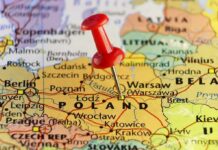
Estonia’s government said it will close its road border crossings with Russia starting December 1. The plan targets sites such as Narva-1, Narva-2, Koidula, Luhamaa, and Saatse. Officials tied the move to security risks after a thwarted arson attempt at Threod Systems, a defense firm that builds drones used by Ukraine. Foreign Minister Margus Tsahkna argued that closing crossings will reduce hostile activity inside Estonia. The government set an initial timeline of at least six months.
Authorities said the arson attempt happened at 03:06 on November 14 at Threod’s Viimsi site near Tallinn. The goal, they said, was to start a fire and trigger an explosion. Police detained eight suspects after the incident. Reports said they were Latvian citizens, though officials have not released charging documents. Threod’s work continued and no injuries were reported. Estonian leaders publicly blamed Russia’s military intelligence service for ordering the plot.
How Estonia Is Framing The Threat
Prime Minister Kristen Michal called the plot “GRU-ordered,” citing the Russian military intelligence service. The director general of Estonia’s Internal Security Service, Margo Palloson, said counterintelligence established Russian involvement. The foreign minister said there was “clear evidence” behind the claim. Estonia’s public case rests on official statements and arrests. Authorities have not released the underlying intelligence or detailed forensic records to the public.
Estonia cast the closure as a way to curb cross-border operations like sabotage. Officials said shutting all crossings will raise the cost and complexity of attacks. The embassy announcement and later comments linked the step to a broader pattern of hybrid threats, from espionage to sabotage. The policy marks a shift from routine policing to a national security footing at the frontier. The decision also aligns with calls in Europe to harden borders against hybrid tactics.
What Russia Says And The Risk Of Escalation
Russia’s Foreign Ministry rejected Estonia’s claims and warned that Tallinn’s actions are “on the verge of triggering open war.” Moscow also accused Estonia of quietly allowing Ukrainian drones to use Estonian airspace to strike targets in northwestern Russia. Russian officials called the closure an attempt to build a “new Iron Curtain” and promised political and diplomatic retaliation. These statements raise tensions and shift attention to possible tit-for-tat steps.
Estonia denies Russia’s narrative and points to the arrests and the attempted arson. For now, the public record shows assertions by named Estonian officials, the police detentions, and Russia’s sharp response. The evidence tying the plot to the Russian service has not been declassified. That gap leaves outside observers waiting on court filings and forensic detail. The stakes are high because both travel and trade will feel the hit as crossings close for months.
Why This Matters For Americans Watching Europe
This clash shows how small border moves can ripple through a security system that includes the North Atlantic Treaty Organization (NATO). Estonia is a NATO member. A misstep at the edge can drag in bigger players fast. For readers frustrated by elites and bureaucracies, this is another case where decisions come down with limited public proof. Governments cite classified intelligence, citizens carry the costs, and trust gets thinner on both sides of the aisle.
Energy prices, shipping routes, and defense supply chains can all react to border friction. Drone makers like Threod feed Ukraine’s battlefield needs. Disruptions there echo into defense orders, jobs, and allied planning. If other Baltic states follow Estonia’s lead, the region may tighten further. That could reduce hostile activity, or it could push it into new channels like cyberattacks. The result will test whether border closures blunt hybrid threats without sparking wider harm.
What To Watch Next
Watch for Estonia to file charges that detail the plot, the suspects’ roles, and any links to Russian command. Look for declassified pieces of the intelligence, even if redacted. Track any Russian countermeasures that hit travel, trade, or diplomats. Note whether Latvia or Lithuania move toward similar closures. Finally, measure results: do attempts drop after December 1, or shift to other targets and methods? Those facts will judge the policy’s impact.
Sources:
redstate.com, kyiv.mfa.ee, theins.press, bbc.com, themoscowtimes.com, thedefensepost.com, aljazeera.com, reuters.com, nbcnews.com, europarl.europa.eu