
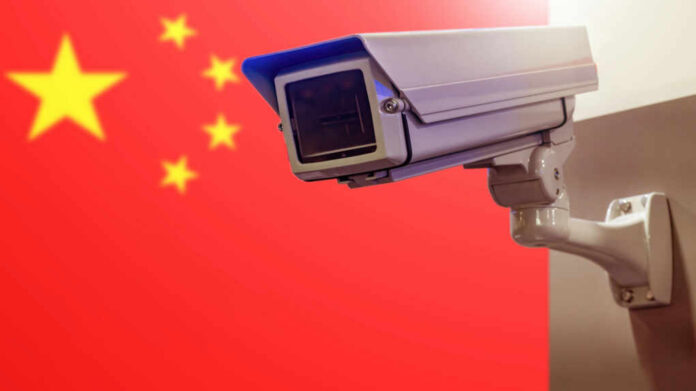
A California mayor’s guilty plea to serving as a Chinese agent exposes the CCP’s infiltration of American local government while President Trump pursues high-stakes diplomacy in Beijing.
Story Snapshot
- Arcadia Mayor Eileen Wang pleads guilty to acting as an illegal Chinese agent, betraying her oath of office
- Trump’s state visit to China for trade talks coincides with the explosive espionage revelation
- The case highlights years of CCP influence operations targeting California officials and institutions
- FBI investigations reveal systematic Chinese efforts to compromise U.S. local leaders through unreported ties
California Mayor Admits to Chinese Agent Role
Eileen Wang, mayor of Arcadia, California, entered a guilty plea to federal charges of acting as an illegal agent for the Chinese government. Wang’s admission confirms DOJ allegations that she operated covertly on behalf of Beijing without registering under the Foreign Agents Registration Act. The charges stem from FBI investigations into CCP influence operations targeting local officials in California, where Chinese government-linked organizations have long sought to sway policy and opinion. Wang’s case represents the latest in a series of espionage prosecutions revealing China’s systematic penetration of American institutions at the state and local levels.
Trump Pursues Trade Deals Amid Espionage Scandal
President Trump’s state visit to China from May 12-15, 2026, unfolds against the backdrop of Wang’s guilty plea, creating stark contrast between high-level diplomacy and ground-level subversion. Trump’s Beijing itinerary includes a summit with President Xi Jinping, visits to the Temple of Heaven, and a state banquet aimed at securing trade agreements benefiting American agriculture, energy, and manufacturing sectors. Brookings Institution analysts project the visit will extend existing trade truces but yield few major breakthroughs on contentious issues like tariffs, export controls, or rare earth minerals. The timing of Wang’s plea—as Trump’s motorcade arrived in Beijing—underscores the contradictions in U.S.-China relations, where economic cooperation coexists with national security threats.
Pattern of CCP Influence in American Politics
Wang’s case follows established patterns of Chinese Communist Party infiltration documented in FBI investigations since 2020. Prior prosecutions include Linda Sun, a New York state official convicted in 2023 for unreported CCP ties, and numerous California politicians accused of accepting funding or direction from Beijing-linked organizations. The CCP’s United Front Work Department systematically targets officials in states with large Chinese diaspora populations, using cultural programs, Confucius Institutes, and talent recruitment to establish leverage. California has emerged as a primary focus due to its tech sector, ports, and political influence, with federal prosecutors uncovering multiple schemes involving unreported lobbying, campaign finance violations, and information sharing with Chinese intelligence services.
National Security Implications for Local Governance
The Wang plea exposes vulnerabilities in America’s decentralized governance system that foreign adversaries exploit. Local mayors and city councils control decisions on infrastructure, economic development, and community partnerships—areas where Chinese influence can advance Beijing’s strategic interests without attracting federal scrutiny. DOJ officials have warned that CCP operatives view local officials as soft targets lacking the counterintelligence awareness of federal counterparts. Wang’s guilty plea will likely accelerate FBI enforcement of FARA requirements and prompt new scrutiny of sister city programs, trade delegations, and cultural exchanges with China-linked entities. For Americans frustrated by government failures to protect sovereignty, this case confirms fears that elected officials prioritize foreign interests over constituent welfare.
Broader Context of U.S.-China Relations
Trump’s visit represents his second presidential trip to China, occurring as U.S.-China relations remain strained by trade disputes, technology restrictions, and security competition dating to the 2018 trade war. The administration expanded export controls on Chinese firms’ subsidiaries in 2025 and maintains Entity List restrictions targeting alleged military-civil fusion programs. Despite tensions, both sides pursue economic engagement: China seeks American agricultural products and technology, while U.S. businesses push for market access. Wang’s espionage case reinforces conservative arguments that China exploits American openness while conducting hostile operations on U.S. soil. As voters across the political spectrum grow wary of foreign interference and elite compromises, this convergence of presidential diplomacy and local betrayal crystallizes public anxiety about whether Washington truly puts America first.
Sources:
The Independent: Trump’s China Visit
Brookings Institution: Five Things to Watch as Trump Goes to Beijing
Xinhua: Trump China Visit Special Coverage