America’s “forever war” hangover is back—this time hitting your family budget through canceled flights and jet-fuel shock driven by the Iran conflict.
Quick Take
- Global airlines are cutting schedules as jet fuel prices surge to around $195 per barrel and physical supplies tighten.
- Disruptions linked to the Iran war and the effective closure of the Strait of Hormuz are squeezing a fuel system that has limited specialized storage.
- Air New Zealand is planning about a 5% reduction—roughly 1,100 flights—while United is trimming service over the next two quarters to control costs.
- Europe is feeling the pinch fast: Italian airports have reportedly imposed refueling restrictions, and some smaller carriers have canceled entire routes.
War-driven fuel disruption is colliding with a fragile jet-fuel supply chain
Late February’s escalation into open conflict involving the U.S. and Israel against Iran is now rippling into everyday travel as fuel flows tighten. Reporting tied the current squeeze to Iran’s effective closure of the Strait of Hormuz, a chokepoint for a major share of global oil transit. When crude and refined products get trapped, aviation suffers quickly because jet fuel depends on specialized refining and storage that can’t be replaced overnight.
By late March and early April, multiple outlets reported jet fuel pricing near $195 per barrel, roughly double recent baseline levels in some measurements. Analysts cited in coverage warned that April supply losses were worse than March, with diesel and jet fuel particularly constrained. That matters because airlines can’t simply “wait it out” like consumers skipping a road trip; planes must fly with jet fuel, and carriers purchase fuel continually across a global network.
Airlines respond with cuts, fee hikes, and route triage—starting at the margins
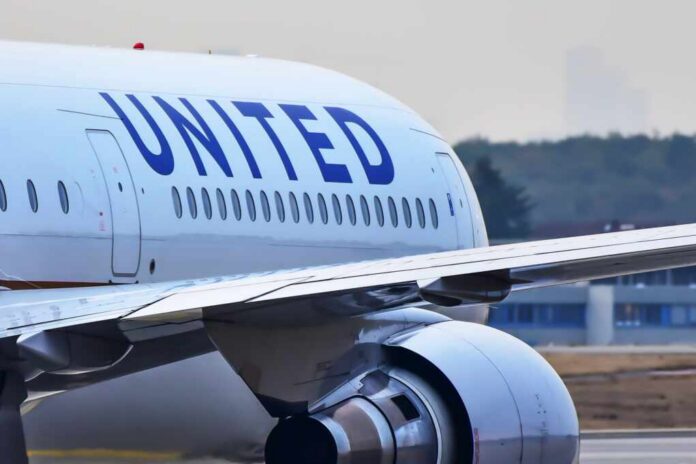
United Airlines has signaled it will “prune” service, focusing cuts on unprofitable or lower-demand flights over the next two quarters as fuel costs climb. Air New Zealand has said it plans to consolidate off-peak flights, with a reported 5% reduction beginning in May. Several European and regional carriers are also limiting schedules, with some canceling specific routes outright when fuel uncertainty makes normal planning uneconomic.
The emerging pattern looks less like a single “airline problem” and more like a system-wide rationing response: airlines preserve core routes, drop thin routes, and pass costs to customers where they can. Some carriers have raised ancillary fees while others warn more schedule reductions could hit as early as May and June. The practical result for travelers is fewer flight options, higher surcharges, and more last-minute changes as airlines manage what they can control.
Europe and import-dependent regions feel the shock first, with the U.S. not immune
Coverage has emphasized that non-producing regions—especially parts of Asia and Europe—are exposed first because they rely on imported fuel and have less flexibility when shipments are disrupted. Industry watchers have highlighted the UK as particularly vulnerable, and the reporting includes signs of stress such as refueling restrictions at Italian airports. Those kinds of operational limits are the “canary in the coal mine” for a broader summer travel crunch.
In the U.S., the immediate pain may show up unevenly. Some reporting and industry commentary point to distribution constraints—like limited trucking and pipeline capacity in certain corridors—complicating how quickly jet fuel can be moved to the places it’s needed. Even if the U.S. has more domestic production than many countries, aviation runs on local inventories at specific airports; when those inventories tighten, cancellations and delays follow fast.
The political pressure point: voters wanted cheaper energy and fewer wars
For many Trump voters, the frustration isn’t theoretical. The same households that have spent years battling inflation, high costs, and Washington overspending are now watching a new overseas conflict translate into higher energy prices and disrupted travel. That is why the MAGA coalition is split: some back strong action aligned with Israel, while others question whether another Middle East war—regardless of the justification—ends up punishing Americans through shortages, price spikes, and a drift toward open-ended involvement.
What can be stated from the current reporting is narrow but serious: the Iran war has coincided with a sharp jet-fuel price surge, airlines are already cutting flights, and experts warn the supply squeeze could intensify heading into summer. Whether the administration can reduce the risk to American consumers will likely depend less on press conferences and more on restoring stable energy logistics—because families feel “foreign policy” most clearly when it shows up as canceled flights and unaffordable fuel.
Sources:
Strait of Hormuz fuel rationing oil
Airlines warn flight cuts will start within six weeks due to fuel shortages
Jet fuel squeeze spurs flight delays and cancellations
Airline cancels all flights for disturbing reason
Airline jet fuel shortage running dry warning weeks