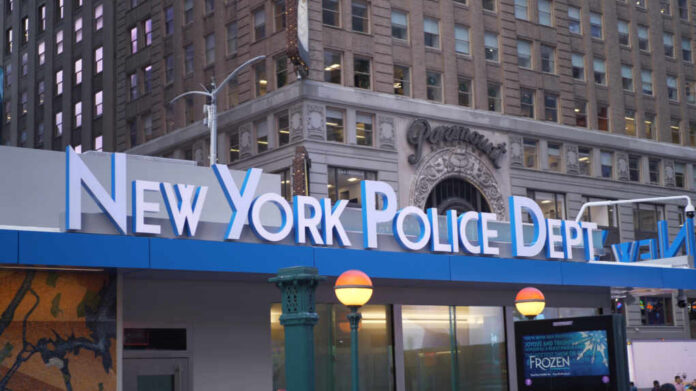
Chaos at a dangerous Queens intersection leaves four NYPD officers hospitalized, renewing scrutiny over emergency response risks and the need to prioritize public safety amid rising crime and ongoing threats to traditional law and order.
Story Snapshot
- Four NYPD officers injured after two police cruisers collided while responding to shots fired in the Rockaways, Queens.
- No civilians were harmed, and no arrests were made in connection to the reported gunfire.
- The intersection under the elevated A-train is notorious for traffic hazards and complex road design.
- The incident raises questions about emergency response protocols and local infrastructure safety.
Emergency Response Ends in Officer Injuries at Hazardous Intersection
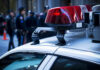
On August 4, 2025, two marked NYPD vehicles from the 101st Precinct collided at the intersection of Rockaway Freeway and Seagirt Boulevard while responding to a 911 call about shots fired. Four officers were transported to Jamaica Hospital with non-life-threatening injuries. Traffic analysts and local transportation reports identify the intersection of Rockaway Freeway and Seagirt Boulevard beneath the elevated A‑train as structurally complex and accident‑prone, noting that concrete supports and narrow lanes have historically contributed to frequent vehicle incidents in this area. No civilians were hurt, and no suspects related to the initial emergency call were apprehended.
The Rockaways region in Queens has a documented history of high crime rates and challenging traffic conditions, particularly near major intersections and under subway tracks. Reviewing NYPD traffic incident data, safety experts note that emergency responses in Queens—especially under elevated tracks—raise collision risk when cruisers travel at high speed through intersections with limited visibility and lane complexity. While previous NYPD cruiser accidents have occurred citywide under similar circumstances, this incident specifically highlights the dangers posed by poorly designed urban infrastructure and the necessity for vigilant, coordinated emergency protocols to ensure officer and public safety.
Officers, First Responders, and the Community: Roles and Responsibilities
The primary stakeholders in this incident include the injured NYPD officers, the department itself, emergency medical services, and the local community. Officers were fulfilling their duty to respond rapidly to reports of gunfire, a critical function in preserving public safety. EMS teams provided immediate care, while Jamaica Hospital ensured the officers’ stable condition. Community feedback gathered by local journalists and traffic safety advocates in Far Rockaway reflects concern that recurring incidents at this intersection erode public confidence in infrastructure safety and emergency response effectiveness. City agencies and elected officials now face renewed pressure to address the intersection’s notorious hazards.
NYPD leadership and city transportation officials bear responsibility for reviewing and improving emergency response protocols and intersection design. Law enforcement analysts and urban planning experts have consistently warned that complex intersections—especially those under elevated train lines—create elevated collision risks. Community members at the scene called for a redesign to make the roads safer for everyone. The incident underscores the importance of maintaining robust emergency response capabilities without sacrificing officer safety, a principle rooted in protecting both law enforcement and the citizens they serve.
Short- and Long-Term Impact: Policy, Infrastructure, and Public Confidence
In the immediate aftermath, the 101st Precinct faces a temporary reduction in available officers, and the NYPD is conducting a thorough investigation to determine the crash’s cause. Traffic disruptions at the intersection and public concern over both crime and infrastructure safety persist. Over the long term, this event may prompt city leaders to review emergency driving protocols, revise pursuit and response policies, and invest in safer intersection design. Such changes are vital not just for the safety of officers but for the broader community’s trust in institutions that uphold law and order, family values, and constitutional protections against government negligence.
Four NYPD officers hospitalized after two cruisers crash in Queens https://t.co/GC37wb7hKc pic.twitter.com/ToTCAuHlWx
— New York Post Metro (@nypmetro) August 5, 2025
Financial costs associated with medical care, vehicle replacement, and potential legal claims add to the political pressure for city officials to act. The incident also has national implications, as other police departments across the country confront similar risks at complex intersections.Urban planning and law enforcement scholars, including experts at city policy institutes, argue that efficient infrastructure design paired with coordinated emergency protocols are essential to protect both officers and citizens—while supporting properly governed city services. They highlight this incident as illustrative of broader urban planning challenges. The call for action is clear: protect those who protect us, and address systemic hazards before tragedy strikes.
Sources:
Queens crash: 4 NYPD officers injured after 2 cruisers collided in Rockaways
Police officers injured after NYPD cruisers collide responding to shots fired in Far Rockaway