A flesh-eating fly that America beat decades ago is back at Texas’s doorstep, and the main weapon we need to stop it is years behind schedule.
Story Snapshot
- Confirmed screwworm cases in Texas livestock have triggered a quarantine zone and a disaster-style response.
- The parasite migrated north after a major re-emergence in Mexico, threatening ranchers, pets, wildlife, and even people.
- The best tool to stop it, mass releases of sterile flies, depends on a new U.S. facility that will take years to finish.
- Both parties now trade blame while many Americans see another sign that the system reacts late and moves too slowly.
Texas Livestock Face a Renewed Flesh-Eating Threat
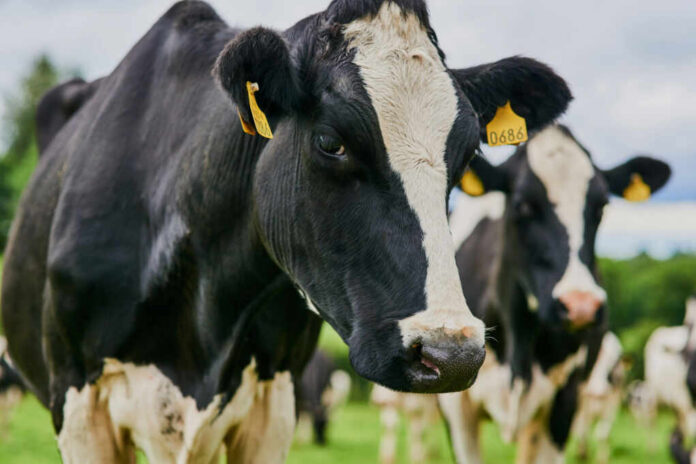
Federal and state officials have confirmed multiple New World screwworm cases in Texas, including cattle, a goat, and at least one dog, and they have set up an infested or quarantine zone across several counties to slow the spread.[1] The first confirmed case in this outbreak was a three-week-old calf in Zavala County, southwest of San Antonio, which pushed the United States Department of Agriculture (USDA) to activate its official screwworm response plan. Texas A&M AgriLife Extension warns that the parasite’s larvae eat living tissue in warm-blooded animals, causing deep wounds, infection, and often death if not treated quickly.[5] For ranchers already struggling with high costs and tight margins, the return of a pest that nearly destroyed the state’s cattle industry in the 1970s feels like another punch from a system they do not trust to protect them.
The New World screwworm was declared eradicated from the United States decades ago after a long, expensive campaign, but it has been moving north again from Central America and Mexico.[5] Texas A&M AgriLife Extension notes that the northern migration of this parasite now poses a renewed threat to Texas and American livestock producers, with flies able to target cattle, wildlife, pets, and in rare cases people.[5] Once a fly lays eggs in a fresh wound, the maggots burrow in and feed on living flesh, so even a small cut on a calf, dog, or deer can become a life-threatening infestation if no one catches it in time. That biology makes early detection and fast reporting essential, but it also means missed cases can explode into larger outbreaks in rural areas where veterinary help is already stretched thin.[5]
Outbreak Tied to Mexico’s Re-Emergence, Not a Single Political Villain
The current Texas cases did not appear out of nowhere; USDA-linked reporting traces this wave back to a screwworm re-emergence in Mexico in November 2024, where thousands of animals have been infected.[2][4] The Centers for Disease Control and Prevention (CDC) and USDA describe the situation as part of a wider regional outbreak, with insects moving north through the environment, rather than a single incident linked to one policy choice in Washington. Texas Standard’s coverage notes that federal officials had already confirmed five Texas cattle cases in less than a week and that the closest infections were still dozens of miles from the border, showing how fast the pest can move once it arrives. That picture supports what many experts keep saying in other crises too: this is a slow-building, cross-border biosecurity failure, not something that can be pinned cleanly on one president, one party, or one year of policy decisions.[3]
At the same time, official messaging makes clear that the Texas–Mexico border region is the key front line, which feeds public anger over how both parties have handled border and trade issues for years.[2][5] USDA summaries point out that after Mexico’s re-emergence, the agency increased monitoring, prevention, and sterile-fly releases in Mexico and along the Texas border to create a living barrier of sterile insects.[2] Texas A&M AgriLife tells ranchers and pet owners to report suspected cases immediately and warns them not to move animals that might be infected, to avoid spreading the parasite into new counties.[5] Those instructions underline a hard truth that both conservative and liberal critics share: when a problem like this crosses borders, any gaps in coordination, inspection, or follow-through can put ordinary families and small businesses at risk while officials argue about who is to blame.[5]
Sterile Flies Are the Main Defense — and Capacity Is Behind the Curve
The most effective weapon against screwworm is a technology called “sterile insect release,” where government programs breed huge numbers of male flies, sterilize them, and drop them by air over infected zones so they mate but produce no offspring.[3] Texas Standard explains that the success of eradication in Texas and beyond depends heavily on how many sterile flies are available to flood the environment and overwhelm wild populations.[3] For years, the United States has relied on facilities in Mexico and Panama to supply these sterile flies, which worked as long as the parasite stayed bottled up farther south.[2] But as the outbreak in Mexico has grown and pushed closer to Texas, that outside capacity has been stretched, exposing a gap between the scale of the threat and the number of sterile insects the system can produce each week.[2]
To catch up, federal and state leaders have announced an $850 million screwworm defense initiative built around a new United States-based sterile fly production plant and stronger border surveillance.[3] That facility, planned to triple current sterile-fly output, is expected to produce up to hundreds of billions of sterile flies every week once it is fully online, sharply reducing dependence on foreign production.[3] The catch is timing: current plans and testimony say it will take at least three years to bring the facility to full operation, leaving Texas ranchers to ride out the present danger with a thinner sterile-fly shield than they would like.[3] During that window, USDA will keep using existing plants and an air dispersal hub at Moore Air Force Base near the border, but the backlog is exactly the kind of slow-motion problem that fuels public belief that the government only moves at crisis speed when powerful interests demand it.[3]
Shared Frustration: Slow Systems, High Stakes, and Who Pays the Price
Texas has already issued a disaster-style declaration as experts warn that a serious screwworm outbreak could cost more than $2 billion and send beef prices sharply higher for families across the country.[3] The United States has halted cattle imports from Mexico to guard the border, a step that may protect herds but also tightens cattle supply and pushes meat prices higher, hitting working families in their grocery bills while Washington argues over who should have acted sooner.[3][4] Ranchers are being told to inspect animals daily, isolate any suspicious cases, and call local veterinarians, the Texas Animal Health Commission, or federal Veterinary Services right away, but they know that if the parasite gets ahead of them, it is their herds and savings on the line.[5]
Republican Sen. Roger Marshall blames the screwworm outbreak, a flesh-eating parasite that affects cattle, on former President Joe Biden, who left office nearly 17 months ago. pic.twitter.com/J1mSNCUizE
— Republicans against Trump (@RpsAgainstTrump) June 8, 2026
Many conservatives see this as another example of weak border management and years of globalist trade deals that exposed American producers to foreign risks without building enough homegrown capacity to fight them. Many liberals see it as proof that government under both parties underinvested in public health, science, and rural infrastructure while showering money on favored industries and donors. Both views point to the same core fear: when a known threat like screwworm returns, the people in charge react late, build the fix slowly, and ask regular Americans to absorb the cost. The flies do not care who is in office; but every delay, waiver, and budget fight in Washington adds up to more risk for families, pets, wildlife, and the food supply that all of us depend on.
Sources:
[1] Web – Flesh-Eating Screwworm Outbreak Threatens Texas Cattle Industry as …
[2] Web – Officials confirm 6 cases of New World screwworm in Texas
[3] Web – USDA Confirms New World Screwworm Detections in Texas and …
[4] YouTube – ‘It’s coming.’ What The Screwworm Could Do To Texas | Y’all-itics
[5] Web – USDA confirms fifth New World screwworm case in U.S. – Facebook