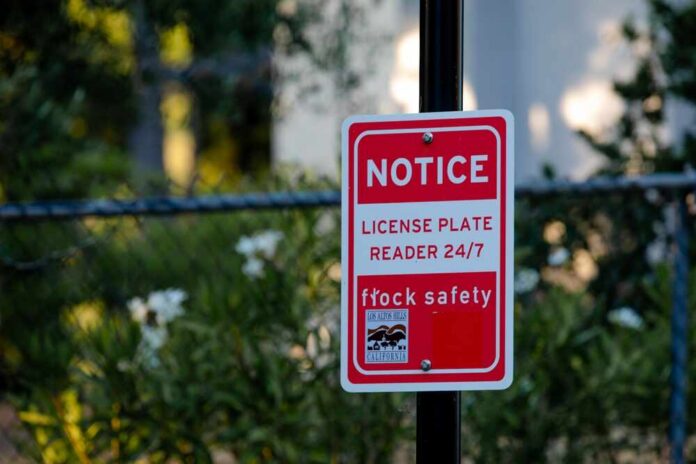
A faulty Flock alert in Wisconsin sent armed police after two innocent people and reopened a hard debate over who pays for surveillance mistakes.
Quick Take
- Brookfield police stopped a vehicle on Interstate 94 after a Flock Safety alert tied it to a Milwaukee homicide investigation.
- Milwaukee police later said the wanted-vehicle alert had not been removed from the system and called it a human error, not a Flock problem.
- The occupants had no link to the homicide, but officers still made a high-risk stop that drew guns.
- The case lands in the middle of a wider backlash against Flock cameras in Wisconsin, where some agencies have cut or reconsidered contracts.
What Happened on I-94
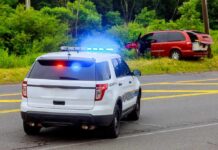
Brookfield police made a high-risk stop on Interstate 94 after a Flock Safety camera alert linked a silver sport utility vehicle to a Milwaukee homicide probe. Local reporting says officers surrounded the vehicle, detained the driver and passenger, and later learned the people inside had nothing to do with the case. Milwaukee police later said the alert stayed in the system after it should have been removed.
That sequence matters because the danger did not come from a vague policy dispute. It came from a real stop, on a busy highway, with armed officers and innocent people caught in the middle. Critics say that is exactly how automated plate readers can turn stale data into fast, stressful police action. Police officials, by contrast, say the mistake was caused by human error in police-controlled records, not by the camera system itself.
Faulty Data, Fast Escalation
The strongest factual point in the record is simple: the alert was wrong, and the stop happened anyway. Milwaukee police said their staff failed to remove the wanted-vehicle entry, and the Brookfield chief defended his officers as acting on the information they received. That puts the spotlight on a system where one bad entry can move quickly from a database to flashing lights, boxed-in cars, and guns drawn.
Flock’s own public framing also matters here. The company describes its cameras as tools that generate leads for law enforcement, not as a stand-alone enforcement system. That design gives agencies a way to argue the tech only surfaced an old error. But it also means the public sees one connected chain: a camera alert, a police response, and a near-miss that could have ended badly if the stop had gone another way.
Why the Backlash Keeps Growing
The Wisconsin stop lands in a state already in the middle of a broader fight over license plate readers. Reporting this year shows several local agencies and schools have dropped, paused, or reexamined Flock contracts as privacy and oversight questions grew. Supporters say the cameras help solve crimes and find suspects. Critics say the same tools can spread errors fast and make everyday driving feel like being watched by a permanent digital net.
That split explains why the Brookfield stop hit such a nerve. For supporters of surveillance, the case looks like a plain record-keeping failure that police should fix with better procedure. For critics, it looks like another warning that once a system is built to scan, match, and alert at speed, the public may bear the risk when the data is stale, incomplete, or wrong.
Sources:
yahoo.com, youtube.com, cbs58.com, fox11online.com, wisconsinwatch.org, wbay.com, aclu-wi.org, tech.blab.com